

Buying your first bench DC power supply is exciting—it's the tool that powers prototypes, charges batteries safely, tests circuits, and unlocks countless maker projects. But many beginners fall into common traps that lead to frustration, damaged gear, or wasted money.
In this guide, we'll cover the top mistakes new users make when shopping for an adjustable DC power supply (with real-world examples and tips to dodge them). Kiprim's reliable, feature-packed models help you avoid these pitfalls right from the start.
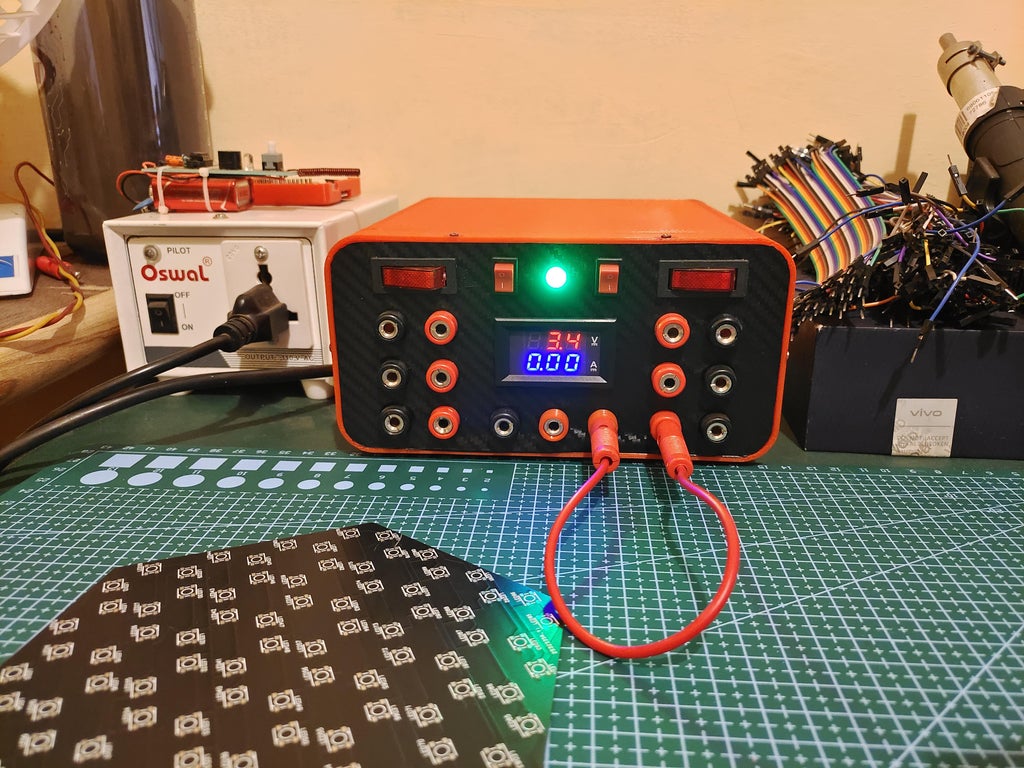
Mistake #1: Buying the Cheapest Option Without Checking Build Quality Ultra-low-cost supplies often use poor components, weak cooling, or inaccurate readings. They might work for a week, then overheat, drift in voltage, or fail spectacularly (think popped capacitors or burnt traces).
Avoid it by: Look for solid construction, good heat dissipation (fans or heatsinks), and brands with positive reviews on longevity. Kiprim supplies feature durable designs, clear digital displays, and built-in protections to last through heavy use.

Mistake #2: Ignoring Current and Power Ratings Picking a supply rated for 0-30V/3A when your projects need motors, heaters, or multiple LEDs drawing 5A+ means constant current limiting, overheating, or shutdowns.
Avoid it by: Match specs to your needs. Start with at least 0-30V/5-10A for general hobby work; go higher (like 0-60V/10-20A) for bigger loads. Kiprim offers a range from compact 0-30V/10A units to powerful programmable models.
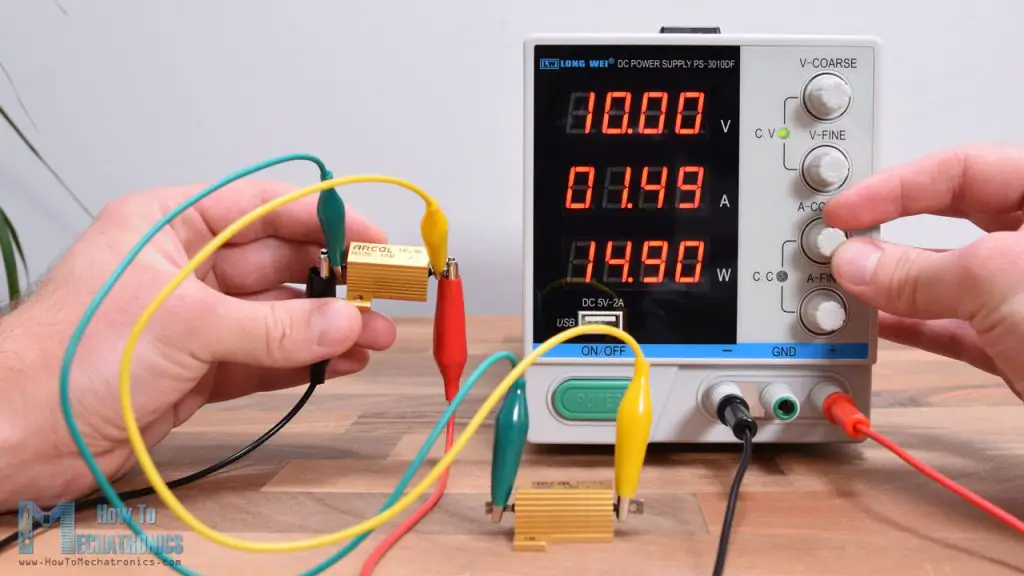

Mistake #3: Skipping Over-Voltage (OVP), Over-Current (OCP), and Short-Circuit Protection Without these safeguards, a wiring mistake or short can instantly destroy your project—or the supply itself. Many cheap units lack proper protection or have fake "protection" indicators.
Avoid it by: Prioritize models with multiple protections (OVP, OCP, OTP, short-circuit). Kiprim includes these as standard, giving peace of mind when testing unknown boards or high-current experiments.
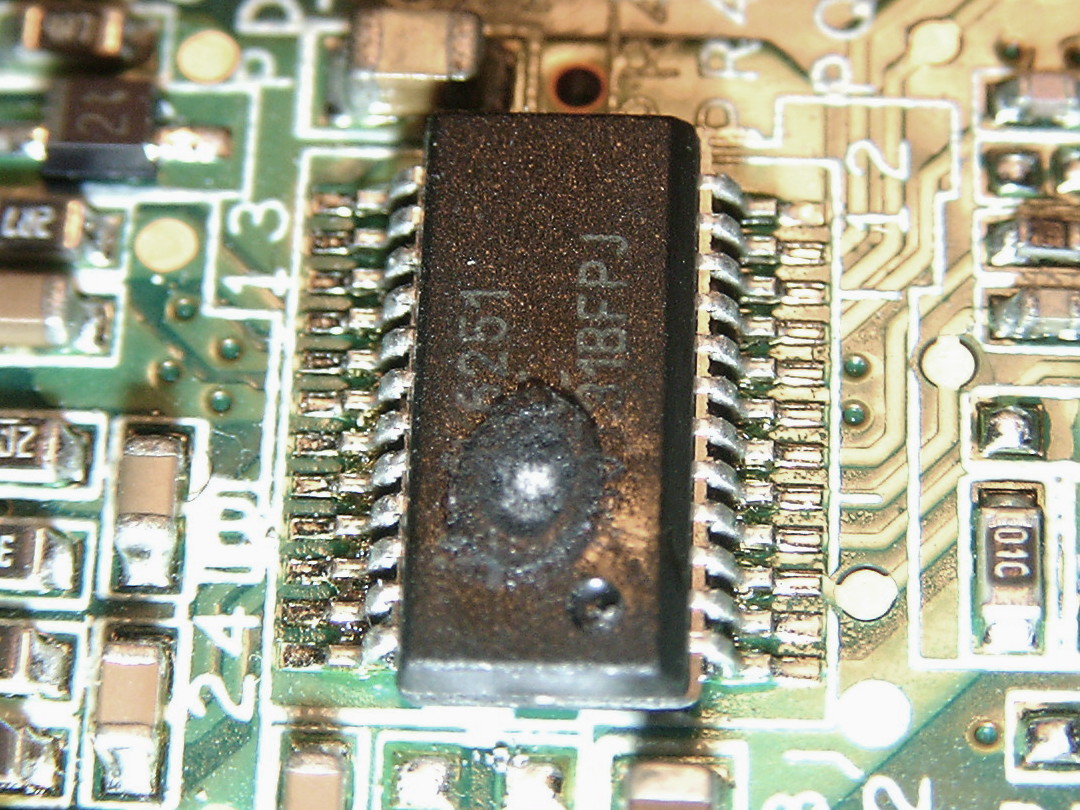
Mistake #4: Choosing Fixed or Low-Precision Models Fixed-voltage adapters or supplies with coarse knobs make precise work (like 3.3V logic or LED testing) impossible. Poor ripple/noise also causes unstable circuits.
Avoid it by: Go for adjustable with fine/coarse controls, high-resolution digital displays (0.01V/0.001A steps), and low ripple. Kiprim's programmable options add memory presets and USB control for repeatable tests.
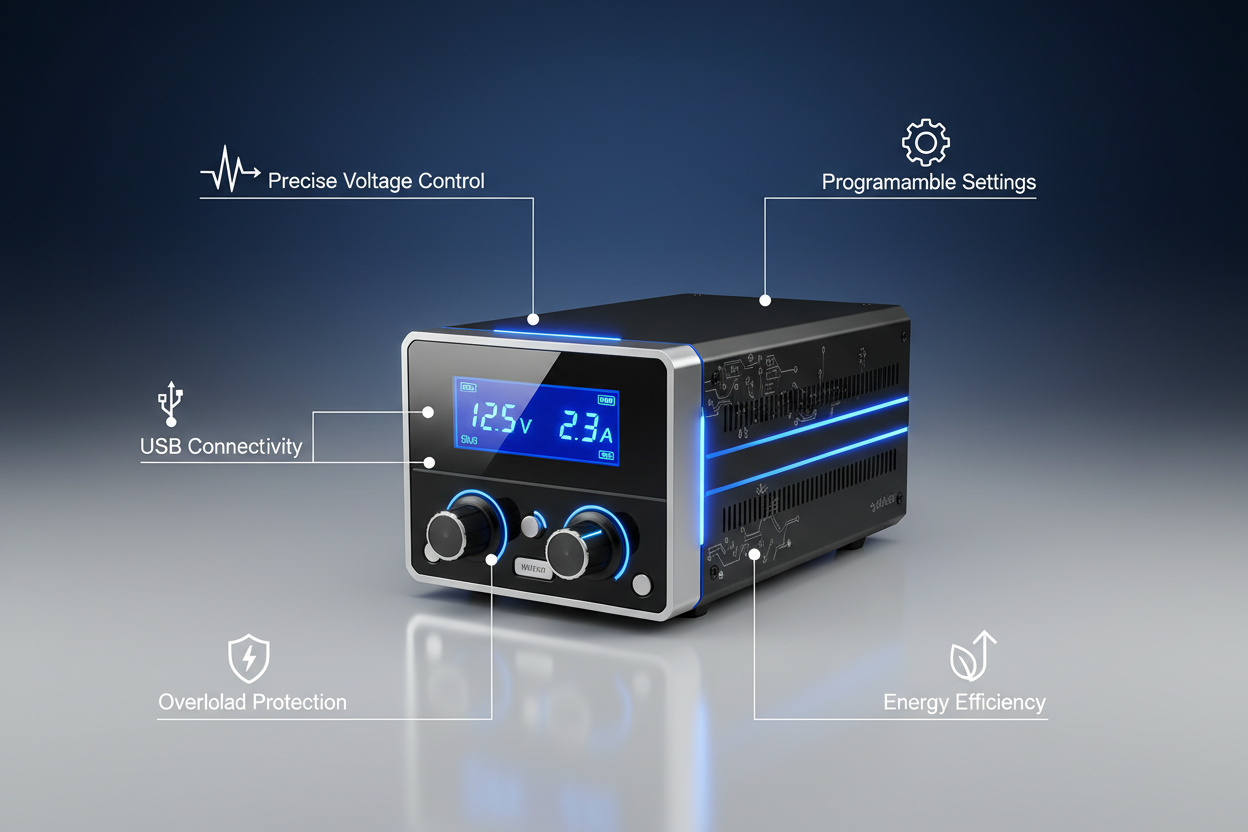
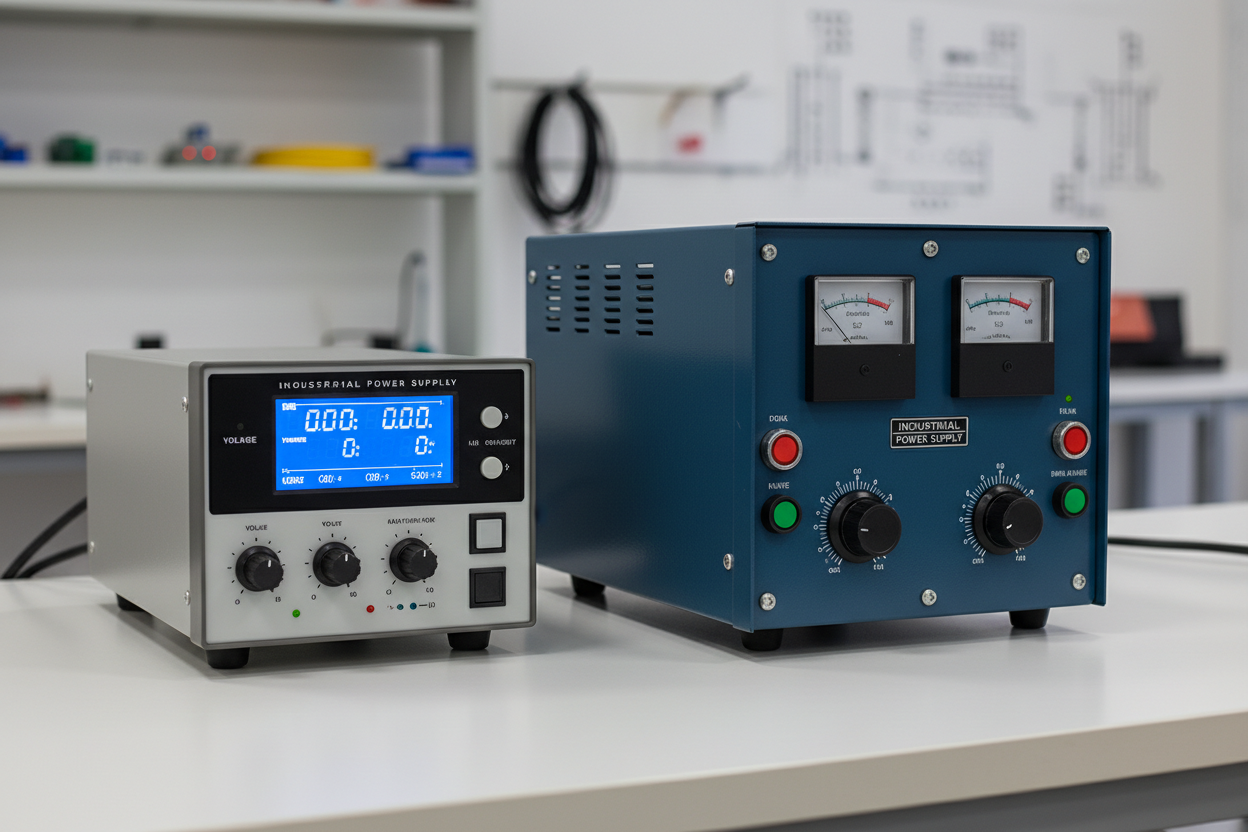
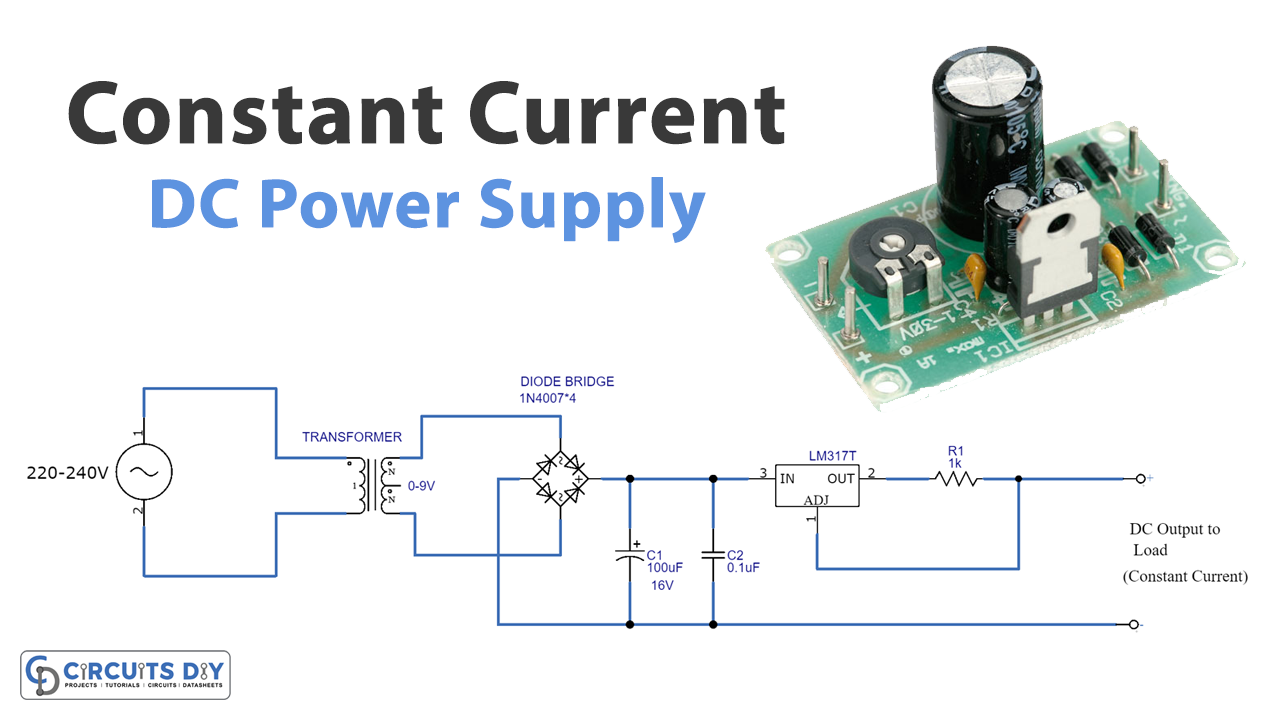
Mistake #5: Overlooking Features Like Constant Current (CC) Mode, USB Output, or Programmability CC mode is essential for charging batteries or testing LEDs without burning them. Extras like USB ports (for phone charging) or PC connectivity save time on repetitive tasks.
Avoid it by: Select a supply with true CC/CV modes and useful extras. Kiprim models deliver precise CC for safe testing, plus advanced features on programmable units.

Quick Checklist Before Buying
- Voltage/current range fits your projects
- Multiple protections (OVP/OCP/short-circuit)
- Accurate digital display + fine adjustment
- Good cooling and build quality
- Bonus: Memory, USB, or programmability
Don't learn these lessons the hard way—many beginners replace cheap supplies within months. Kiprim's bench DC power supplies are built to avoid these common pitfalls, offering precision, safety, and value for hobbyists and pros.
Ready to get it right the first time? Explore the full Kiprim collection:
What's the biggest mistake you've seen (or made) when buying a power supply? Share in the comments—let's help others avoid it! ⚡🛠️
0 Kommentare