

Selecting the perfect DC power supply for your project, lab, or workshop can feel overwhelming with so many options available. The key factors — voltage, current, and power — determine whether your supply will reliably power your device without damage or limitations. In this comprehensive guide, we'll walk you through exactly how to choose a DC power supply that meets your needs, with practical tips, calculations, and real-world recommendations.
Understanding the Core Relationship: Voltage × Current = Power
The fundamental equation for DC power is simple yet powerful:
P = V × I
Where:
- P = Power (in Watts)
- V = Voltage (in Volts)
- I = Current (in Amps)
Most benchtop DC power supplies are rated by their maximum voltage and current, but the actual limiting factor is often the maximum power they can deliver.
Here's a classic power triangle illustration that makes this relationship crystal clear:
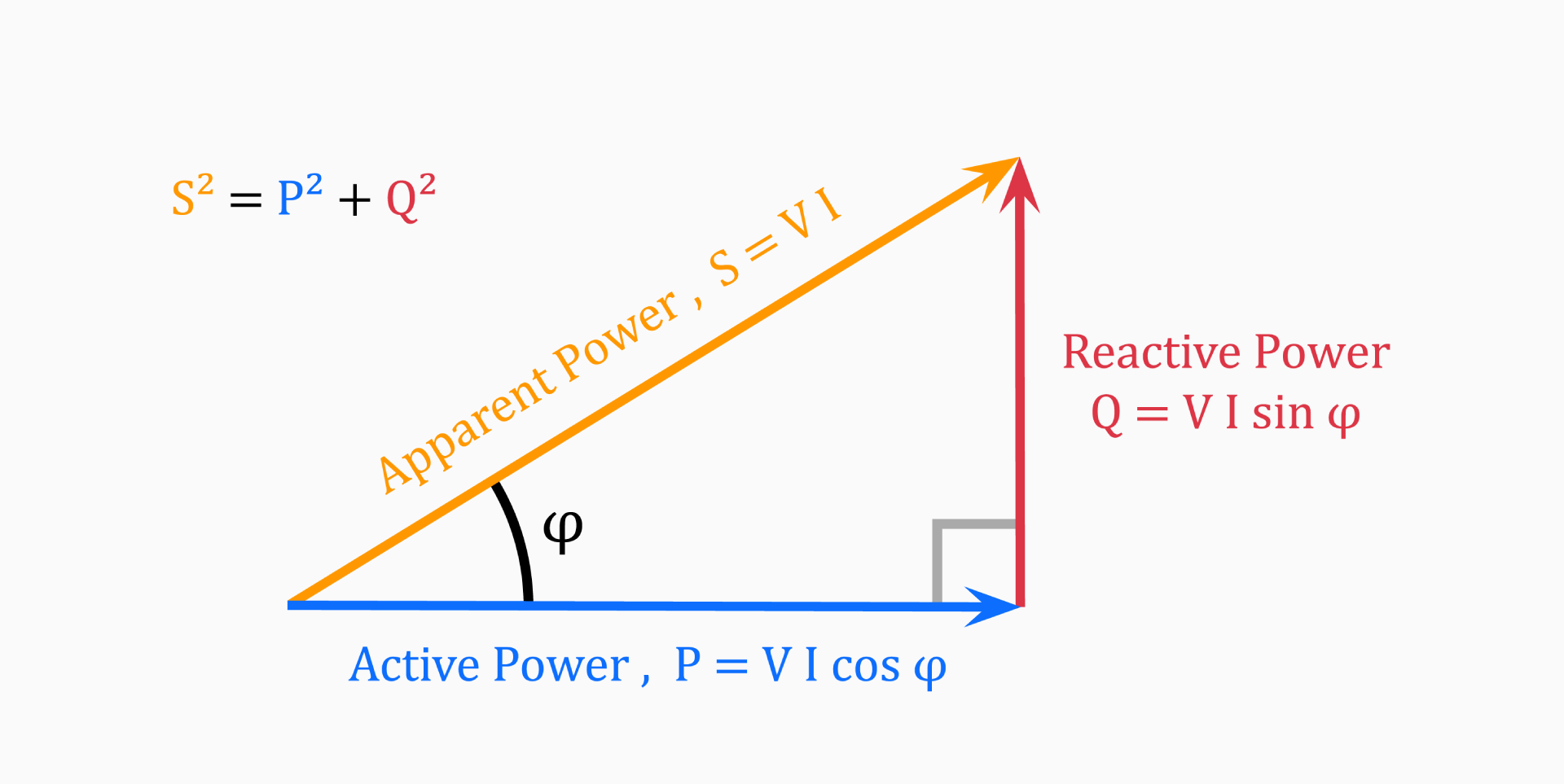
This visual shows how voltage, current, and power interconnect — if you know any two values, you can calculate the third.
Quick Examples:
- A device needs 12V at 5A → Required power = 12 × 5 = 60W
- A supply rated 30V/10A can deliver up to 300W max, but only if voltage and current are balanced properly.
Step 1: Determine Your Required Voltage Range
Start with the highest voltage your project will ever need.
Common ranges include:
- 0–30V → Ideal for most electronics, Arduino/Raspberry Pi, LED drivers, and general lab use
- 0–60V → Perfect for higher-voltage applications like motor control, battery charging (e.g., 48V systems), or testing power electronics
Always choose a supply with at least 20–30% headroom above your maximum voltage to account for voltage drops and future needs.
Here's an example of a modern programmable benchtop DC power supply with clear voltage/current display:

Step 2: Calculate Your Required Current
Next, figure out the maximum current draw of your load.
- Low-power projects (microcontrollers, sensors): 0–3A is usually sufficient
- Medium-power (motors, amplifiers, multiple boards): 5–10A
- High-power (large motors, charging stations, power-hungry devices): 15A+
Remember: Current requirements can spike during startup (inrush current), so overspec slightly.
Step 3: Check the Power Rating (The Real Limiting Factor)
Many users overlook this — a 30V/10A supply is not always capable of delivering 300W continuously.
Look for the maximum output power specification. High-quality programmable supplies clearly state this.
The power curve looks like this in practice (Constant Voltage → Constant Current transition):
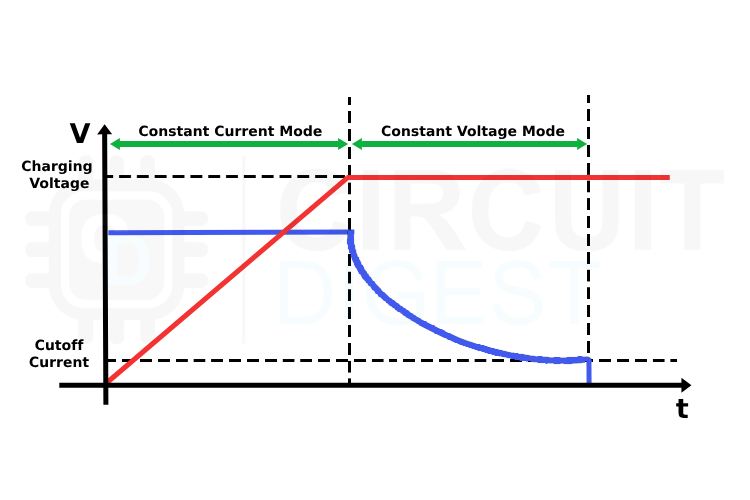
In Constant Voltage (CV) mode, voltage stays fixed while current varies. In Constant Current (CC) mode, current stays fixed while voltage adjusts.
Choose a supply that can deliver your required V × I combination without hitting the power limit.
Step 4: Consider Additional Features for Better Versatility
Modern DC power supplies go beyond basic voltage/current control. Look for:
- Programmable capabilities (preset memories, sequencing)
- Built-in multimeter for voltage/current monitoring
- Multiple outputs or high-resolution adjustment
- Over-voltage/over-current protection (OVP/OCP)
- Low ripple/noise for sensitive circuits
Recommended Kiprim DC Power Supplies for Every Need
Kiprim offers high-quality, programmable DC power supplies that balance performance, features, and value. Explore the full collection here: Kiprim DC Power Supplies Collection
Here are some top picks matched to different use cases:
- Best all-rounder for most labs/hobbyistsKiprim DC310Pro 2-in-1 Programmable Power Supply & Multimeter (0-30V/0-10A) → Up to 300W with integrated multimeter functionality.
- Compact & Reliable Entry-Level OptionProgrammable DC Power Supply (0-30V/0-10A, 110V Input)
- Higher Voltage NeedsKiprim DC605Pro 2-in-1 Programmable Power Supply (0-60V/0-5A) → Great for 48V systems and precision work.
- Solid 60V Mid-Range ChoiceKiprim DC605S Programmable DC Power Supply (0-60V/0-5A, 110V Input)
- High-Power BeastKiprim DC620S Programmable 400W DC Power Supply (0-60V/0-20A) → Handles demanding loads with plenty of headroom.
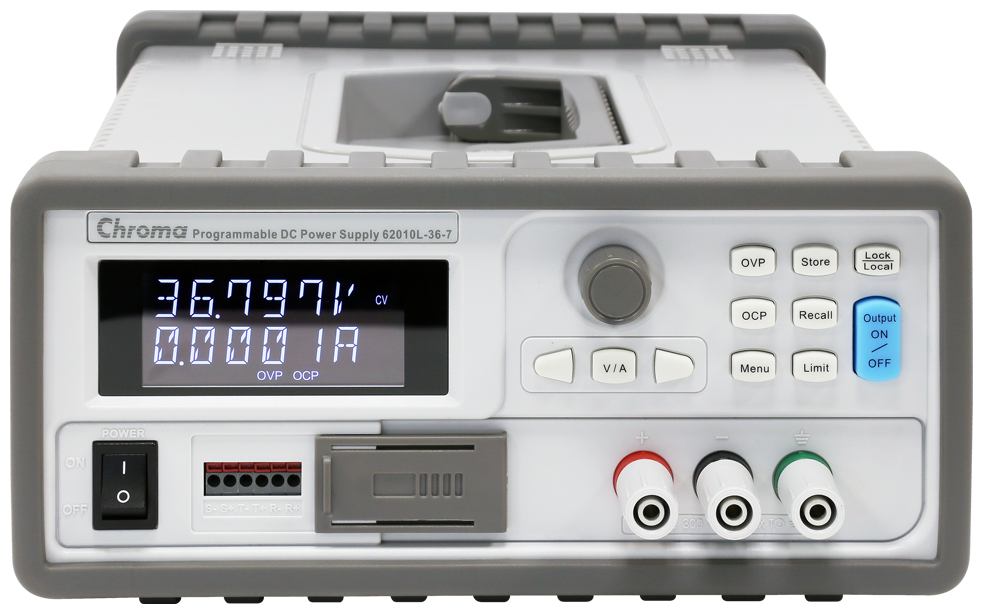
Here's another look at a powerful programmable model in action:
Final Checklist: How to Choose Your DC Power Supply
- Determine max voltage needed (+20–30% headroom)
- Determine max current needed (consider inrush)
- Calculate required power (V × I)
- Choose a supply with matching or higher ratings
- Consider extras: programmability, protection, noise, build quality
By following these steps, you'll avoid underpowered supplies, overheating issues, or wasted money on overkill models.
Ready to power your next project? Browse Kiprim's reliable and feature-packed DC power supplies today and get the right tool for the job!
For more tips on bench power supplies, voltage/current selection, and engineering best practices, stay tuned! 🚀
0 Kommentare