
Connecting multiple DC power supply in series or parallel lets you achieve higher voltages, higher currents, or multi-output configurations without buying a single expensive high-spec unit. This technique is common in labs, prototyping, industrial testing, and custom electronics projects—especially when using adjustable benchtop or programmable DC power supply.
DC power supply in series increases total voltage while keeping current the same. Parallel boosts current capacity while maintaining voltage. However, not all supplies support this safely—always check manufacturer specs.
For foundational knowledge on DC power supplies, see our Ultimate Guide to DC Power Supply (2026): Types, Features & Buying Tips.
Series vs Parallel: Key Differences
Series Connection
- Outputs linked end-to-end: positive of one to negative of the next.
- Voltage adds up (e.g., two 30V supplies → ~60V total).
- Current remains limited to the lowest-rated supply.
- Ideal for higher-voltage needs like tube amps, HV testing, or series LED strings.
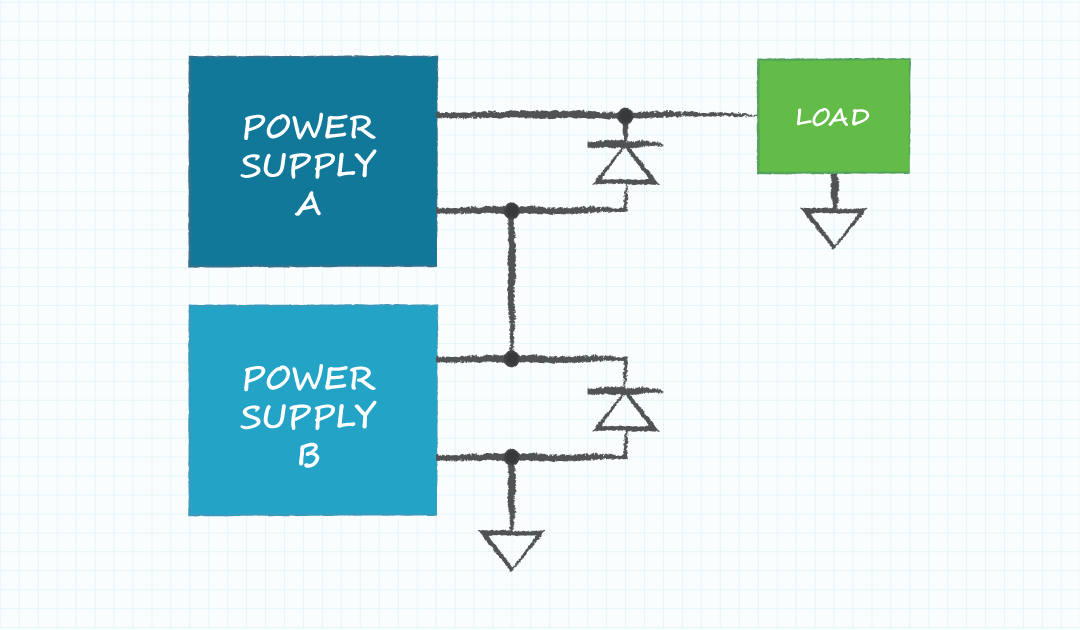
Diagram showing two DC power supply connected in series with blocking diodes for safety (prevents back-feeding).
Parallel Connection
- All positives tied together, all negatives tied together.
- Current adds up (e.g., two 10A supply → ~20A total).
- Voltage stays the same (must be set identically).
- Great for high-current loads like motors, heaters, or charging large batteries.
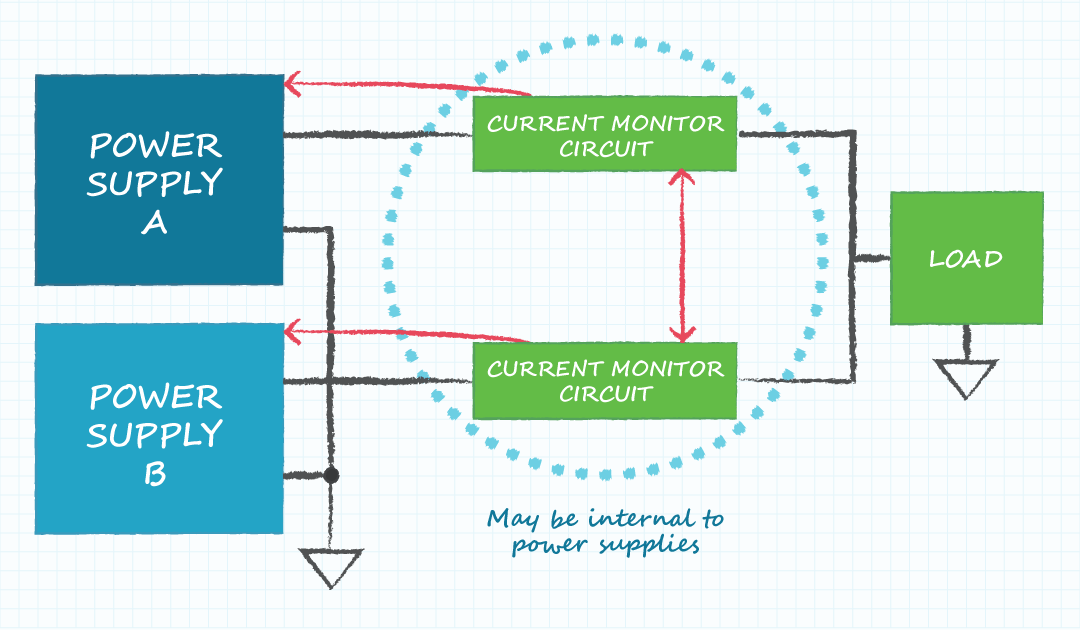
Schematic of parallel configuration with current-sharing monitoring (many modern supplies include built-in sharing circuits).
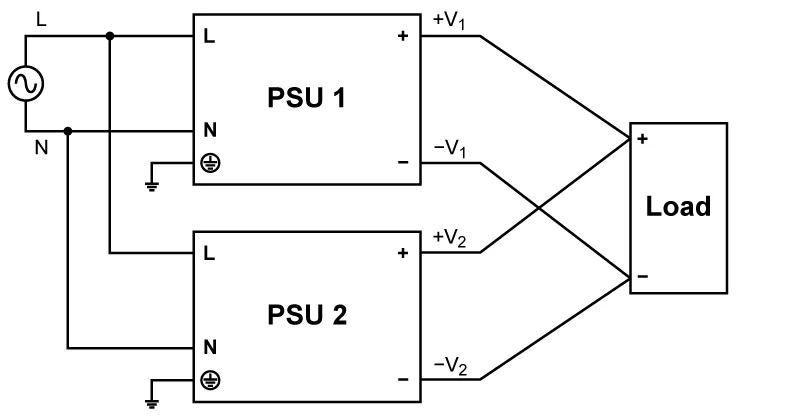
Basic parallel wiring example—ensure identical voltage settings and use thick cables.
Voltage & Current Changes
- Series V_total = V1 + V2 + ... Vn I_total = min(I1, I2, ..., In) (current limited by weakest link) Power_total ≈ sum of individual powers, but watch heat/load.
- Parallel V_total = V (all must match exactly) I_total ≈ I1 + I2 + ... In (up to rated sum if sharing works) Power_total increases proportionally.
For best results, use identical models or ones with parallel/series support.
Example of stacked DC-DC converters in series for bipolar/high-voltage output.
Common Use Scenarios
- Higher Voltage (Series): Powering vacuum tubes, electrophoresis, capacitor forming, or high-voltage experiments.
- Higher Current (Parallel): Driving DC motors, Peltier coolers, large LED arrays, or battery banks.
- Multi-Output / Split Rails (Independent or Tracking): Use separate channels or supply for +V, -V, and GND in op-amp or audio circuits.
- Redundancy: Parallel for failover in critical systems.
- Lab Flexibility: Combine bench supply to match unique project needs without dedicated multi-output units.
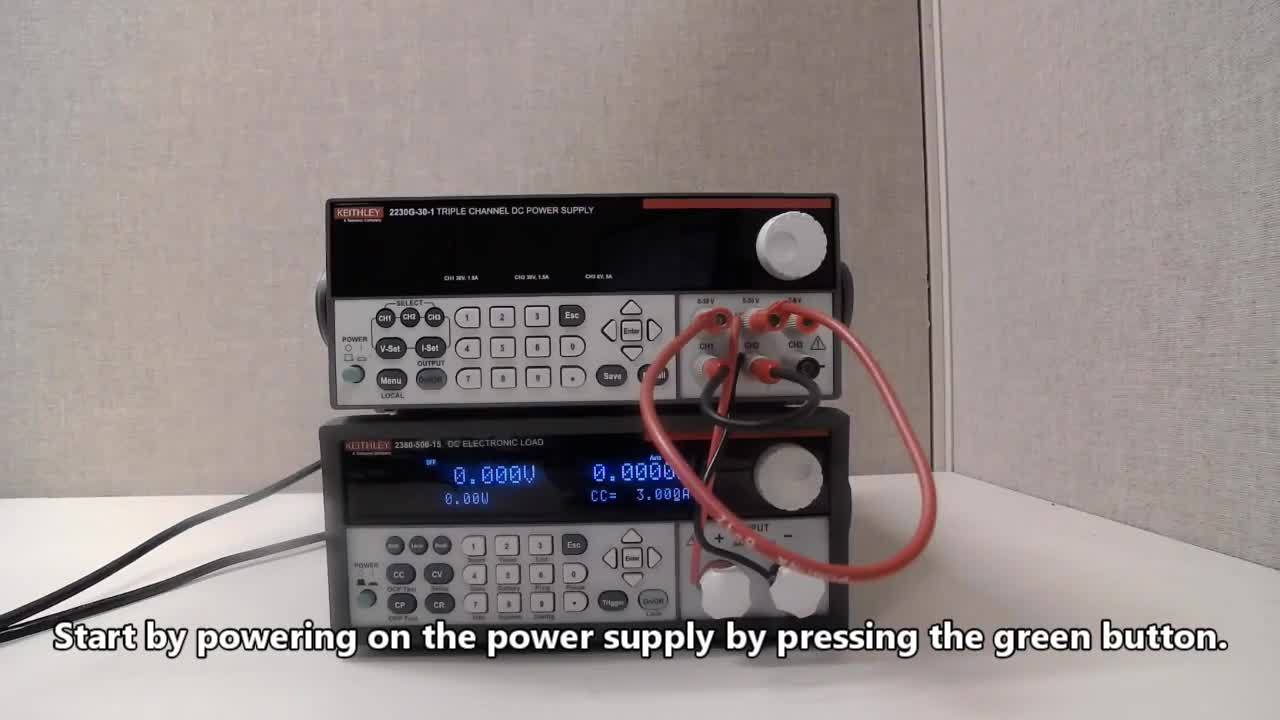
Real bench setup with multiple DC power supply paralleled for high-current testing.
Important Safety Notes & Precautions
- Voltage Matching (Parallel) — Set all supply to exactly the same voltage. Even 0.1V difference causes current hogging and damage.
- Isolation — Most bench supply have floating outputs—fine for series/parallel, but avoid grounding conflicts.
- Diodes for Series — Add blocking diodes (e.g., Schottky) across each output to prevent reverse current if one supply fails or turns off first.
- Current Sharing — For parallel, use supply with active current sharing or add small ballast resistors (0.1–0.5 Ω) in series with each positive lead.
- Cable & Connectors — Use thick, low-resistance wires (AWG 14–10) to minimize drops.
- Protections — Enable OVP/OCP on all units; monitor temperature.
- Manufacturer Specs — Check if your model supports series/parallel (many Kiprim programmable models do well due to precise control).
- Avoid Mixing Types — Don't series/parallel linear with switching without testing.
Series connection with protection diodes highlighted to safeguard against reverse voltage.
Recommended Kiprim Supply for Series/Parallel Setups
Kiprim programmable models offer excellent voltage/current precision, digital control, and reliable regulation—ideal for stacking.
- Kiprim DC620S Programmable 400W (0-60V / 0-20A) — High power for parallel current boost or series high-voltage. Buy Now
- Kiprim DC310Pro 2-in-1 Programmable + Multimeter (0-30V / 0-10A) — Precise monitoring helps verify matching in parallel. Buy Now
- Kiprim Programmable DC Power Supply (0-30V / 0-10A, 110V Input) — Affordable for building multi-unit arrays. Buy Now
- Kiprim DC605Pro 2-in-1 Programmable (0-60V / 0-5A) — Good mid-range for series voltage stacking. Buy Now
- Kiprim DC605S Programmable (0-60V / 0-5A, 110V Input) — Clean output for reliable configurations. Buy Now
Mastering series and parallel connections expands your multi output DC power supply capabilities dramatically. Start with matched Kiprim units for safe, precise results.
Need more details? Dive into the pillar guide or experiment safely on your next project!
0 Kommentare