

Laser Distance Meter vs Tape Measure: Accuracy, Speed, and Real Use Cases
In the world of measuring tools, the traditional tape measure has been a staple for decades. But with advancements in technology, laser distance meters are rapidly becoming the go-to choice for professionals and DIY enthusiasts alike. These modern devices use laser technology to deliver instant, precise measurements — often replacing cumbersome tape measures for many tasks.
At Kiprim, our laser distance meters (like the popular LD70E with up to 229ft/70m range and ±2mm accuracy, or the compact LD50E at 165ft/50m) are designed to make measuring faster, safer, and more efficient. Let's break down the key differences in accuracy, speed, and real-world use cases to see why so many are ditching the tape for a laser.
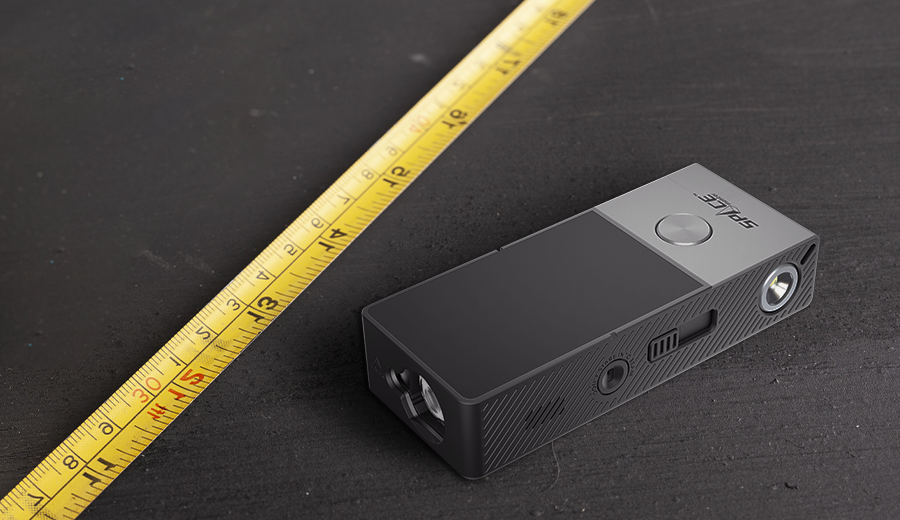
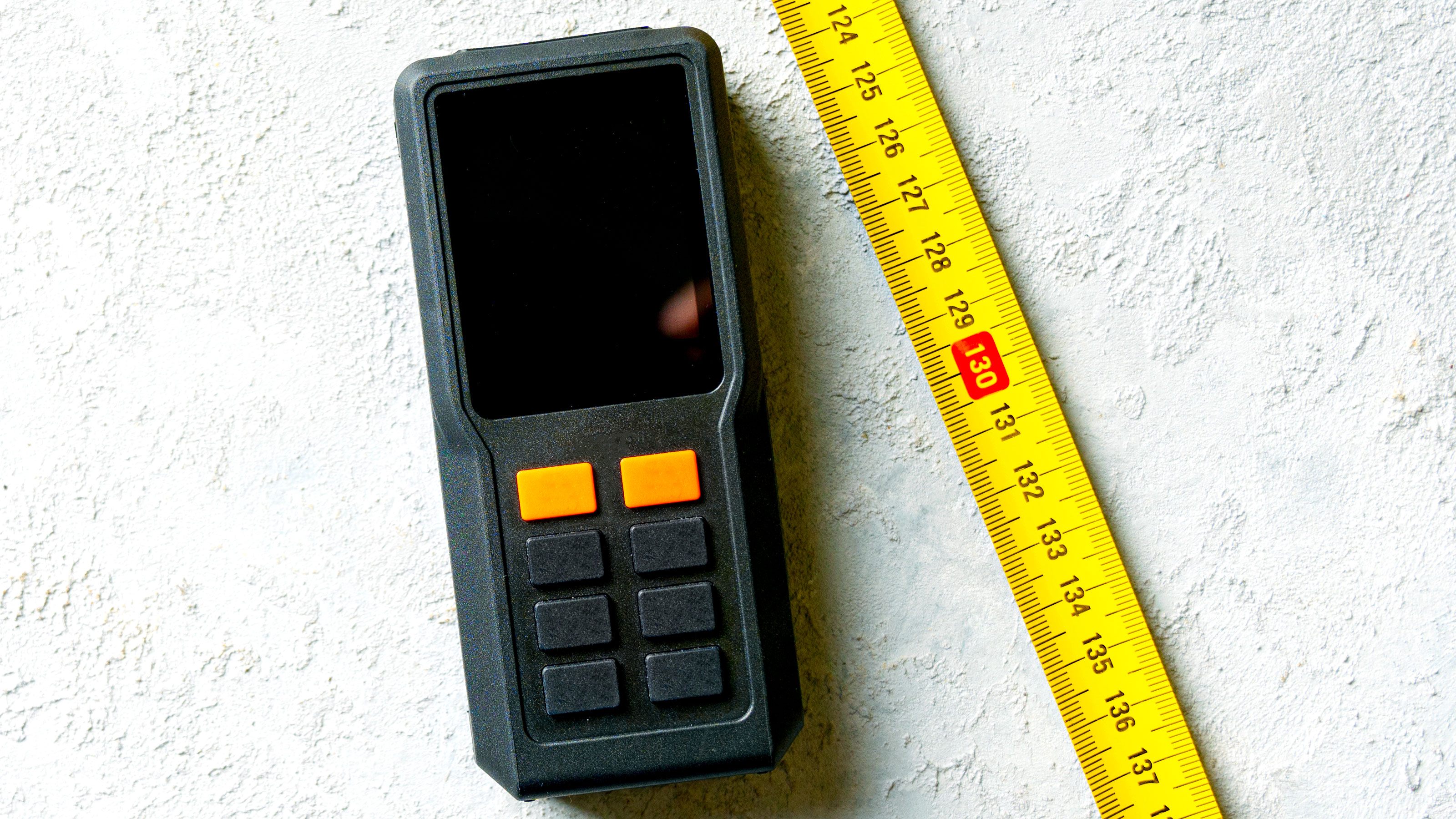
Accuracy: Millimeter Precision Without the Hassle
Both tools can be highly accurate, but they shine in different scenarios.
- Tape measures offer excellent precision for short distances (often within ±1mm or better when new and properly used). However, over longer spans, the tape can sag, bend, or stretch slightly, introducing small errors. They also rely on manual alignment and reading, which can lead to human error.
- Laser distance meters typically achieve ±1.5–2mm accuracy (like Kiprim's models at ±2mm) across their full range — even up to 200+ feet. The laser beam eliminates sagging or bending, and digital readings remove guesswork from interpreting markings.
In practice, lasers provide more consistent results over distance and reduce errors in solo measurements.

Speed: From Minutes to Seconds
This is where laser distance meters truly dominate.
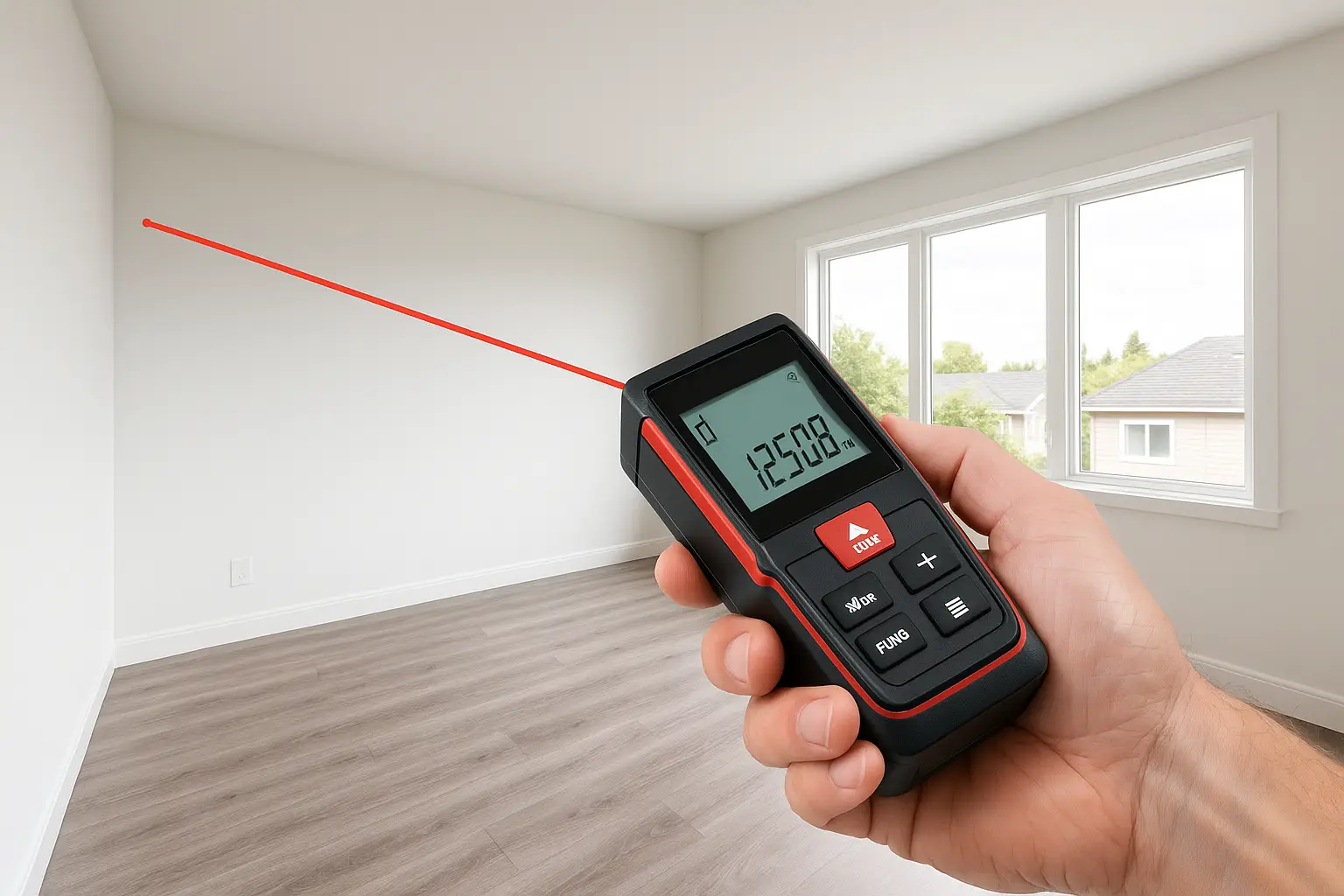
- Pulling out, extending, holding steady, and reading a long tape measure — especially alone or across a room — can take 20–60 seconds per measurement. Tasks like calculating room area might require multiple measurements and manual math.
- With a laser distance meter, just point, press a button, and get an instant digital result. Advanced functions (area, volume, Pythagoras indirect measurement for hard-to-reach spots) compute complex values automatically.
What used to take 30 minutes with a tape can often be done in 5 minutes with a laser — a huge time-saver on job sites or during home projects.
Real Use Cases: When to Choose Each Tool
Both tools have their place, but laser distance meters excel as a modern replacement in many scenarios.
Laser Distance Meters Shine When:
- Measuring large rooms, hallways, or entire properties (e.g., real estate appraisals, interior design, or floor planning)
- Working alone — no need for a second person to hold the tape end
- Calculating area/volume quickly for painting, flooring, or HVAC estimates
- Reaching high ceilings, across obstacles, or outdoors (up to 70m on Kiprim models)
- Safety matters — measure from the ground instead of climbing ladders
Tape Measures Still Win For:
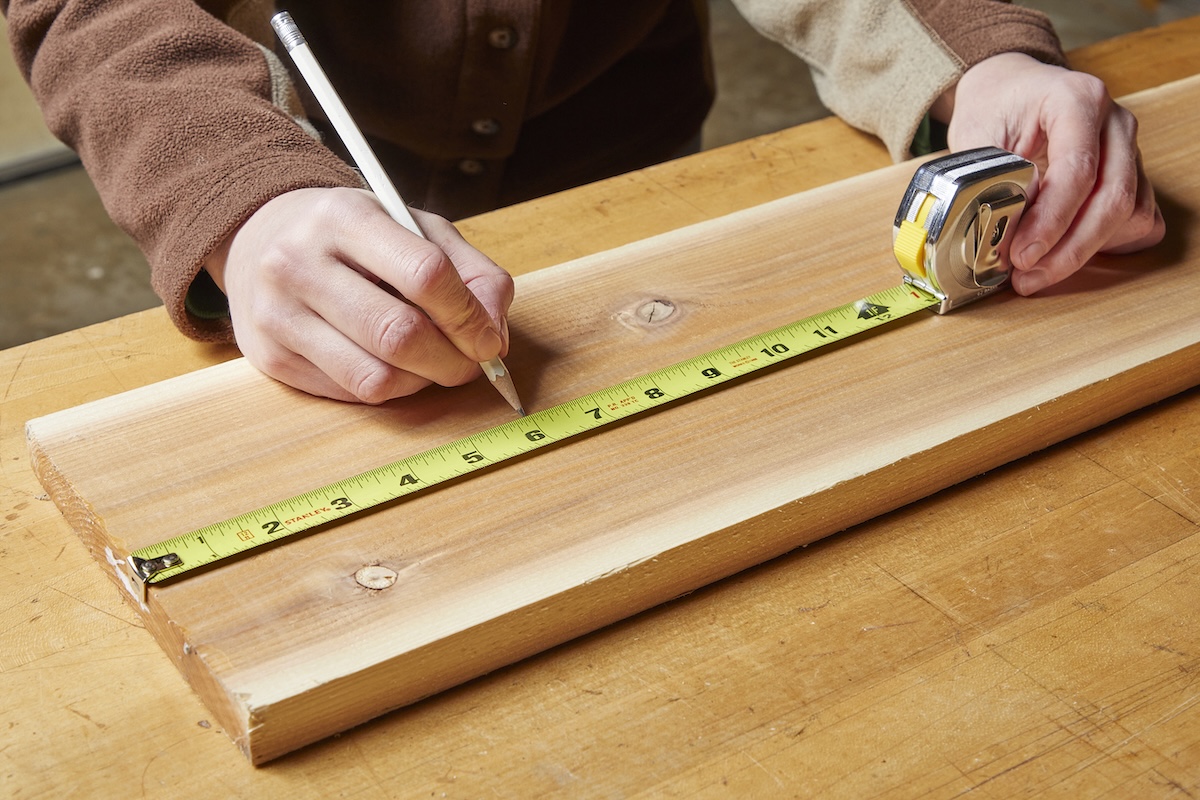
- Very short or precise close-range work (e.g., woodworking, marking cuts on lumber)
- Irregular shapes or curved surfaces where you need physical contact
- Extremely low-budget or ultra-simple tasks

Why Make the Switch to a Kiprim Laser Distance Meter?
Kiprim laser measures are compact, feature backlit displays for low-light work, switch between meters/inches/feet, and include practical extras like continuous measurement and indirect functions. With ranges from 50m to 70m and reliable ±2mm accuracy, they're built for both home DIYers and pros looking to upgrade from traditional tools.
Whether you're estimating materials for a renovation, laying out a new office space, or appraising properties, a laser distance meter saves time, reduces frustration, and improves results.
Ready to replace your old tape measure with faster, smarter technology? Explore Kiprim's collection today:
Shop Kiprim Laser Distance Meters
Which tool do you reach for most often — tape or laser? Share in the comments below!
0 Kommentare