
When shopping for a moisture meter, the biggest decision is pin vs pinless. Both types detect water content in walls, wood, drywall, masonry, and more, but they differ in method, damage, accuracy, and ideal use cases.
This head-to-head comparison helps you decide which is best for your needs — with a clear recommendation for home users in 2026.
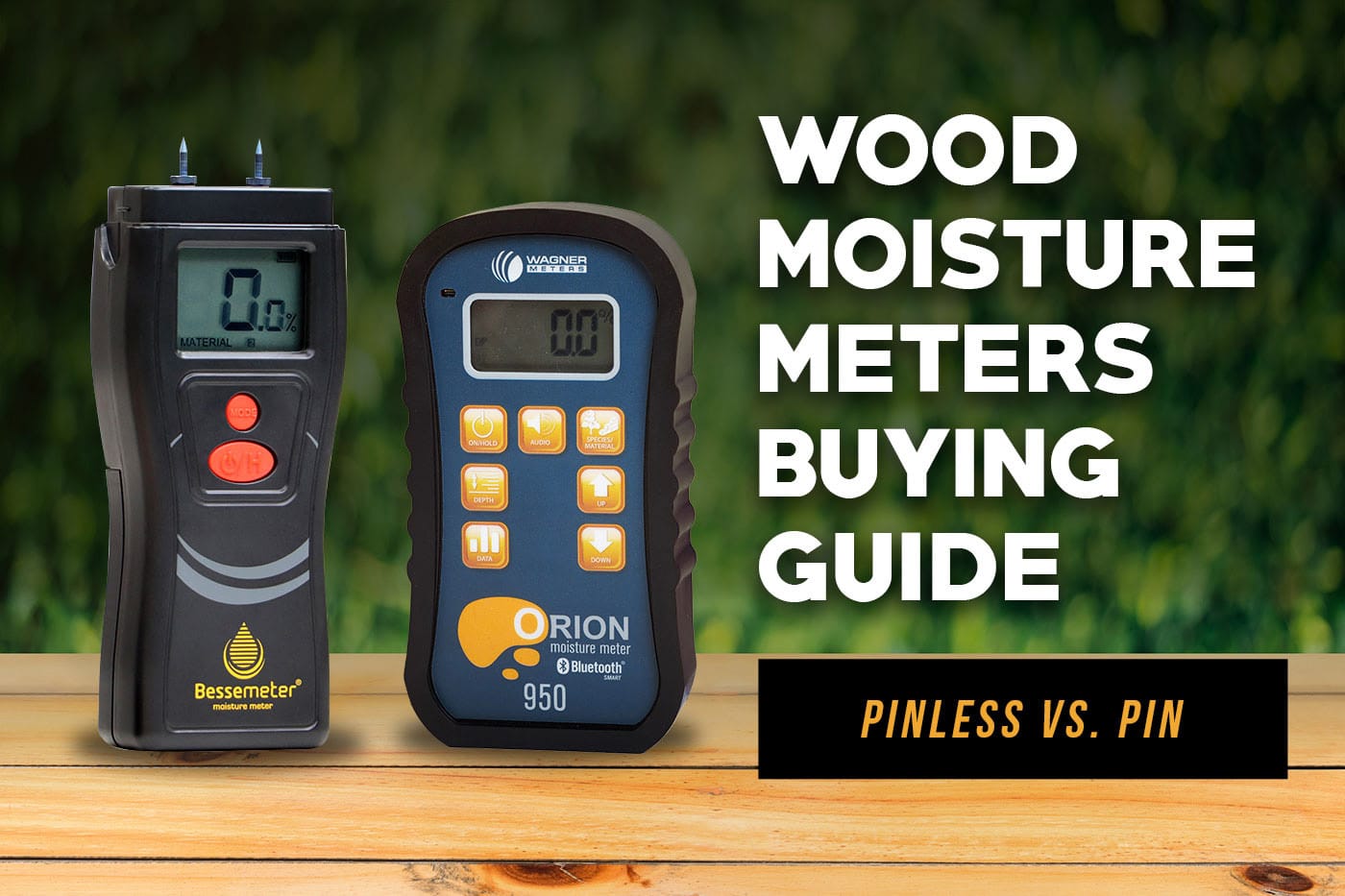
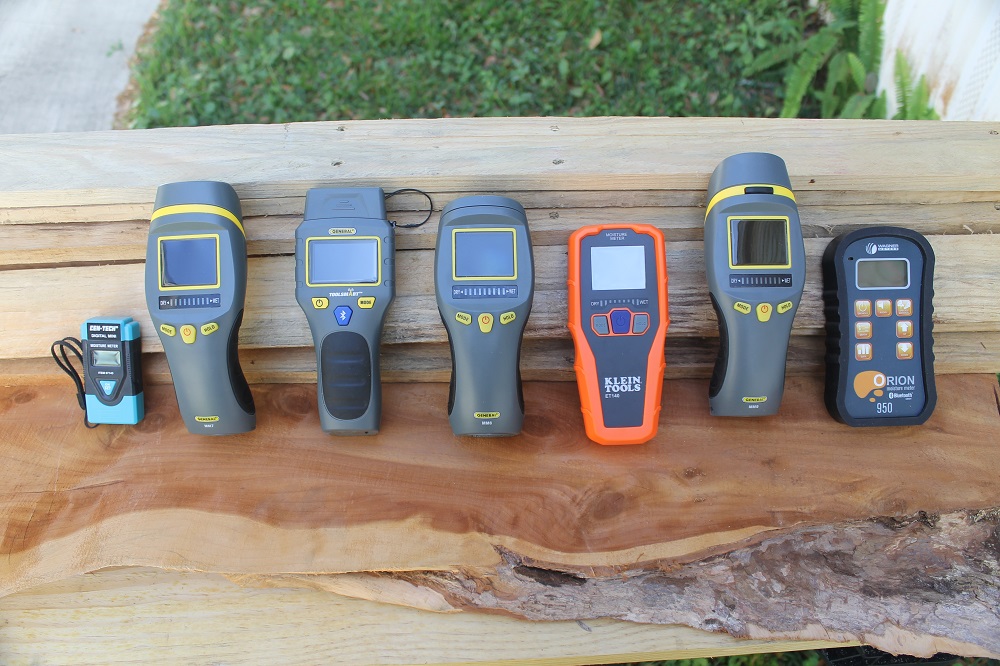
Pin vs Pinless Moisture Meter: Side-by-Side Comparison
| Feature | Pin-Type Moisture Meter | Pinless Moisture Meter |
|---|---|---|
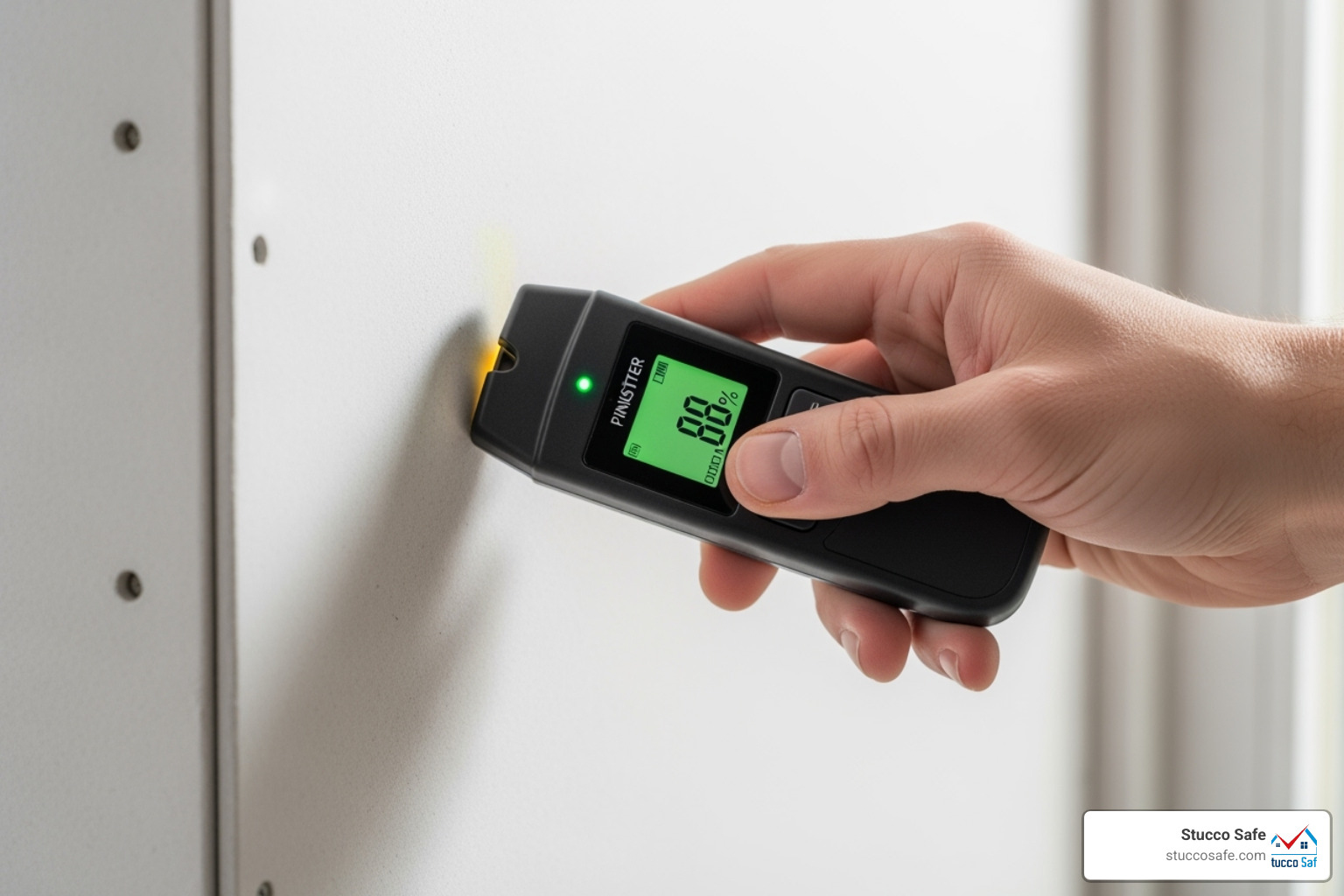
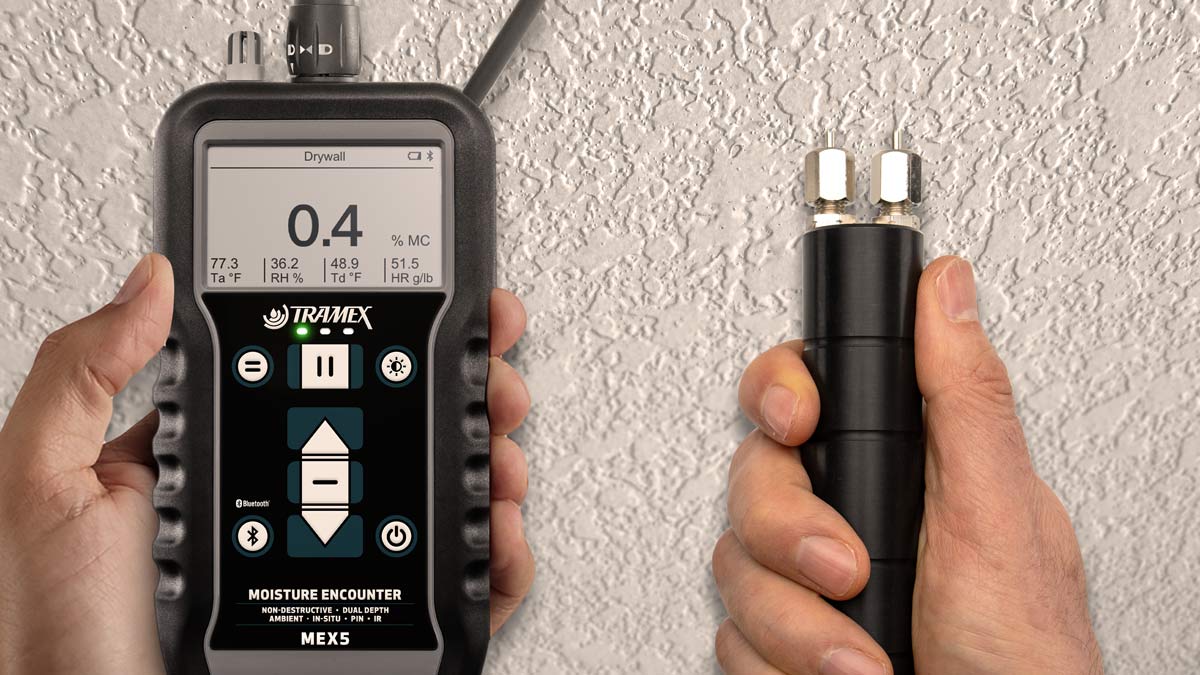
| Surface Damage | Yes — pins penetrate and leave small holes | No — completely non-destructive |
| Measurement Method | Measures electrical resistance between pins | Uses electromagnetic waves / dielectric scan |
| Accuracy | High (pinpoint, direct contact) | High (broad area, less affected by surface) |
| Scan Depth | Shallow (typically 1/4–1/2 inch, pin length) | Deeper (up to 1 inch or more) |
| Speed & Convenience | Slower (need to insert pins each time) | Faster (just place and scan) |
| Best For | Raw wood, lumber, deep spot checks, professionals | Finished walls, drywall, floors, home inspections |
| Drawbacks | Damages surfaces; not ideal for valuables/finished materials | Slightly less precise in very dense/uneven materials |
| Typical Price (2026) | $20–$80 | $25–$100 (feature-rich models) |
| Best Use Cases | Woodworking, firewood testing, unfinished lumber | Home leak detection, mold prevention, walls/floors |
Verdict on Damage: Pin meters require poking holes — fine for raw materials, but a big no for painted walls, finished wood, or rented spaces.
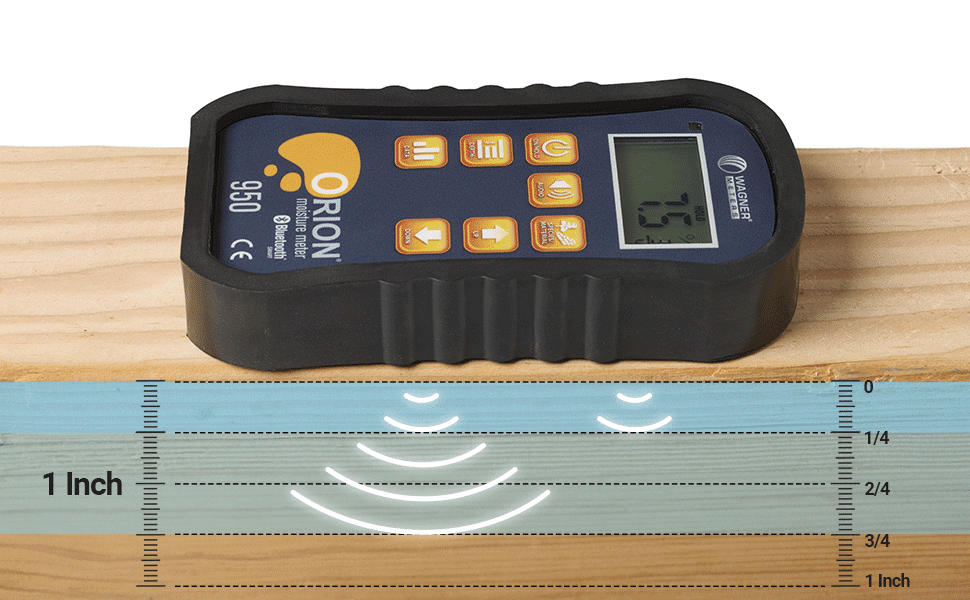
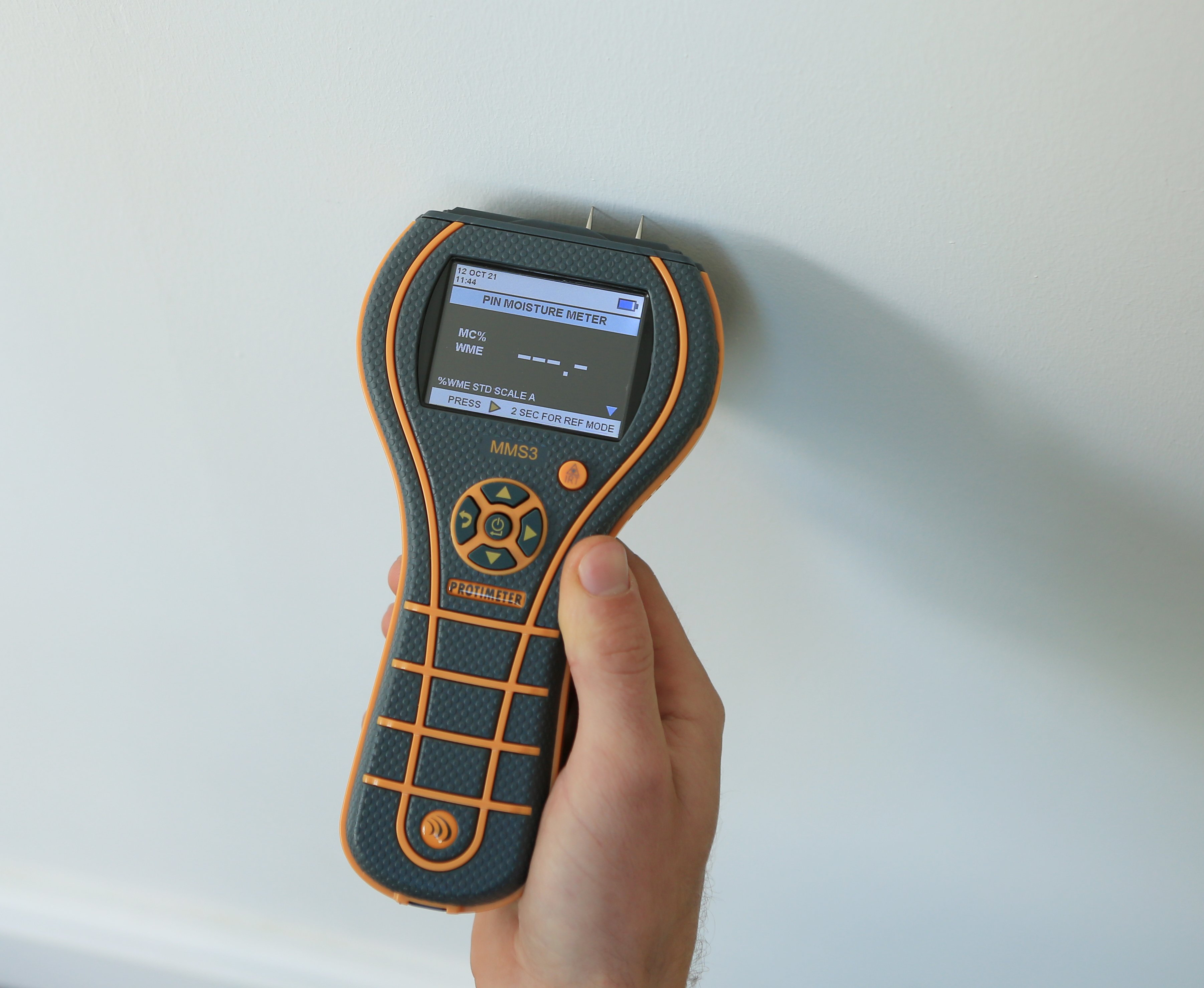
Verdict on Accuracy & Depth: Pin offers spot precision, but pinless covers larger areas faster and reaches deeper without damage — crucial for detecting hidden leaks.

When to Choose Pin-Type
- You're testing raw lumber, firewood, or unfinished wood projects.
- Need maximum pinpoint accuracy in specific spots.
- Working on professional jobs where small holes aren't an issue.
When to Choose Pinless (Most Home Users' Winner)
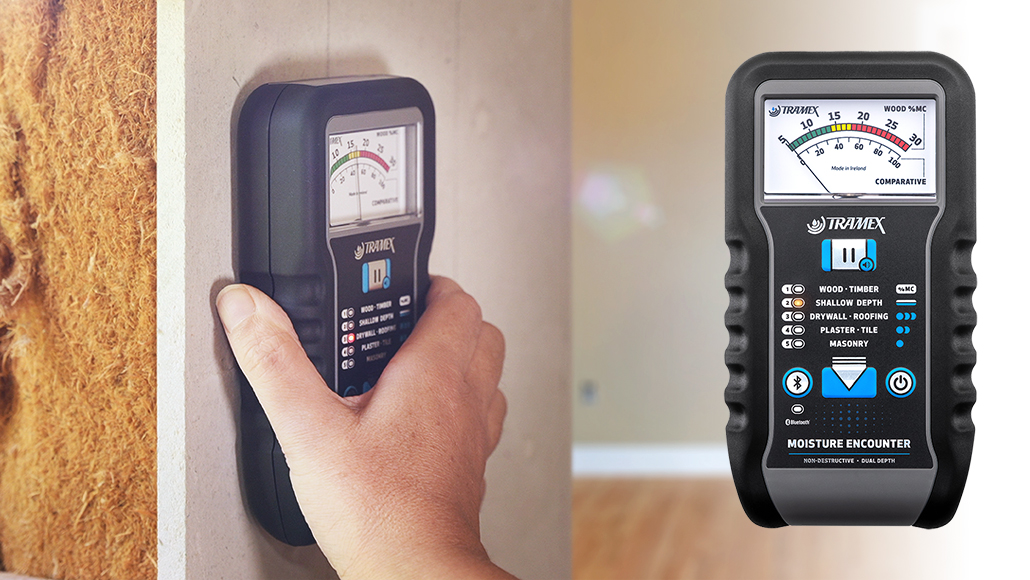
- Checking drywall, painted walls, finished floors, or masonry without marks.
- Detecting hidden water leaks, mold risks, or post-flood moisture.
- Want quick, non-invasive scans across broad surfaces.
- Prioritizing convenience and surface protection.
In 2026, pinless dominates home use because most people need to inspect finished areas without causing damage — and modern sensors deliver reliable accuracy for everyday tasks.
Our Recommendation: Go Pinless with Kiprim WM01
For homeowners, DIYers, and anyone checking walls, wood, or floors regularly, the Kiprim WM01 Pinless Moisture Meter is the smart choice.
Why it stands out:
- 100% non-invasive — no pins, no holes, safe for all finished surfaces
- 4 dedicated modes: Wall, Masonry, Soft Wood, Hard Wood
- Large LCD with % readout, color-coded alerts (Dry/Yellow/Wet), audible/visual alarms
- Data hold, mute function, high-precision sensor for quick, reliable scans
- Compact, battery-powered, beginner-friendly
Perfect for detect water leak in wall, mold prevention, firewood checks, or general home moisture testing — all without damaging anything.


Buy now: Kiprim WM01 Pinless Moisture Meter
Final Takeaway: Unless you're strictly working with raw wood and need ultra-precise spot readings, choose pinless for damage-free, versatile performance. The Kiprim WM01 gives you professional-level features at an affordable price — the best moisture meter for most home users in 2026.
Still unsure which fits your exact scenario? Share more details (e.g., walls vs wood focus) and I'll help refine! 🔍
0 Kommentare