

When selecting a DC power supply for electronics work, one of the most critical decisions is choosing between a regulated DC power supply and an unregulated one. The difference can mean the difference between stable, reliable circuit performance and frustrating instability, component damage, or noisy measurements.
In this guide, we'll explain regulated vs unregulated DC power supply, compare their performance (especially ripple and voltage stability), and show why regulated models are the go-to choice for engineers, technicians, and serious hobbyists.
What Is an Unregulated DC Power Supply?
An unregulated DC power supply is a basic design that converts AC mains to DC using a transformer, rectifier, and filter capacitor — but without active voltage regulation.
Key characteristics:
- Output voltage varies significantly with load current and input voltage changes
- High ripple (AC noise superimposed on the DC output)
- Simple, cheap, and lightweight
- Common in low-cost wall adapters, basic battery chargers, or old-school DIY supplies
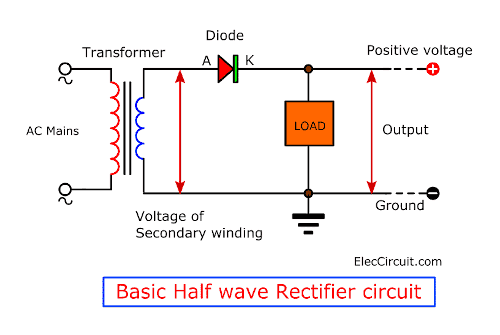
Here's a typical unregulated power supply schematic and its basic output waveform with noticeable ripple:

What Is a Regulated DC Power Supply?
A regulated DC power supply adds active regulation circuitry (linear or switching) to maintain a constant output voltage regardless of load changes, input fluctuations, or temperature.
Benefits include:
- Extremely stable voltage (often within 0.01–0.1%)
- Very low ripple and noise (usually <1–5 mV rms)
- Constant Voltage (CV) and Constant Current (CC) modes
- Precise adjustment and digital monitoring
Modern bench regulated DC power supplies look professional and feature clear displays:


Ripple & Noise: The Biggest Visual Difference
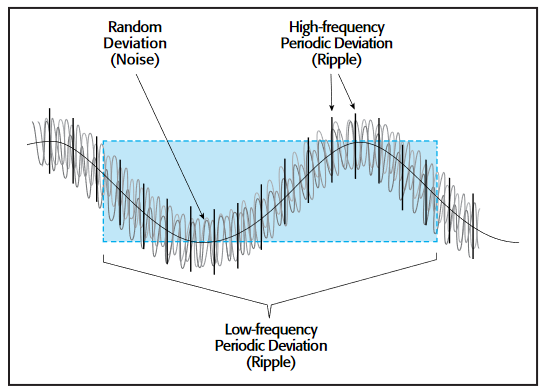
Ripple is the AC component that remains after rectification. Unregulated supplies have high ripple (often hundreds of mV to volts), while regulated ones suppress it dramatically.
Compare these oscilloscope captures:
- Left: High ripple on an unregulated supply
- Right: Clean, low-ripple output from a regulated bench supply
Ripple comparison on oscilloscope:

Another clear waveform side-by-side showing regulated stability vs unregulated droop and ripple:
Regulated vs Unregulated: Quick Comparison Table
- Voltage Stability — Regulated: Excellent (fixed output) | Unregulated: Poor (drops with load)
- Ripple/Noise — Regulated: Very low | Unregulated: High
- Load Regulation — Regulated: Great | Unregulated: Fair to poor
- Use Cases — Regulated: Prototyping, testing, sensitive circuits | Unregulated: Simple motors, LEDs, non-critical loads
- Cost — Regulated: Higher | Unregulated: Lower
- Complexity — Regulated: More components | Unregulated: Simple
When to Choose Each Type
Choose a Regulated DC Power Supply if you:
- Work with microcontrollers, sensors, op-amps, RF circuits
- Need precise voltage/current control
- Test or repair electronics
- Want protection features (OVP, OCP)
Unregulated might suffice for:
- Basic hobby motors or relays
- Very low-cost or disposable applications
Real-world bench setup with multiple regulated power supplies powering sensitive projects:

Recommendation: Go Regulated for Professional Results
For almost every serious electronics task, a quality regulated DC power supply is worth the investment. It protects your components, gives repeatable results, and saves time troubleshooting weird behavior caused by unstable power.
Explore the full range of high-performance regulated DC power supplies here:
👉 KIPRIM DC Power Supplies Collection
Top programmable models include:
- KIPRIM DC310Pro – 2-in-1 Programmable Power Supply & Multimeter (0-30V, 0-10A) — Built-in multimeter for ultimate convenience
- Programmable DC Power Supply (0-30V, 0-10A, 110V Input) — Reliable everyday bench essential
- KIPRIM DC605Pro – 2-in-1 (0-60V, 0-5A) — Higher voltage range for advanced projects
- KIPRIM DC605S (0-60V, 0-5A, 110V Input) — Precise and dependable
- KIPRIM DC620S – Programmable 400W (0-60V, 0-20A) — High-power solution for demanding loads
Understanding regulated DC power supply advantages will level up your electronics game. Choose regulated — and power your projects with confidence!
Happy tinkering! 🔌⚡
0 Kommentare