

When it comes to achieving perfectly level surfaces in construction, renovation, or DIY projects, laser levels are indispensable tools. But with so many options available, the choice often comes down to two main types: rotary laser levels and line laser levels (including cross line models).
In this detailed rotary laser vs line laser comparison, we'll break down their key differences in range, accuracy, visibility, indoor/outdoor performance, and cost — so you can pick the right tool for your needs.
What Is a Rotary Laser Level?
A rotary laser level (also called a rotating laser) spins a laser beam 360° horizontally (and often vertically too in advanced models), creating a continuous reference plane across large areas.
Here are some real-world examples of rotary lasers in action on outdoor construction sites:
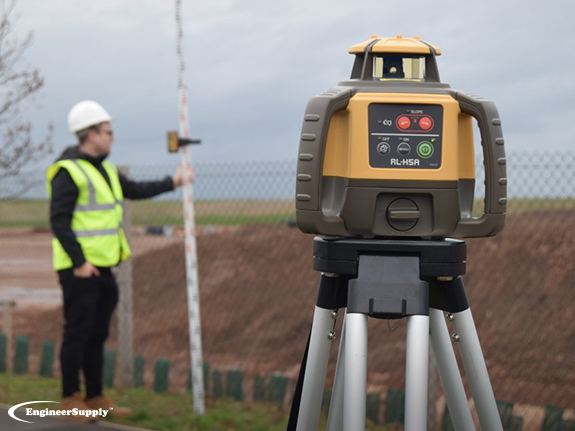

These tools shine (literally) when paired with a laser receiver/detector for long-distance work.
What Is a Line Laser Level (Cross Line Laser)?
A line laser level (most commonly a cross line laser) projects fixed straight lines — usually one horizontal and one vertical — forming a perfect cross or multiple lines for alignment tasks.
They're extremely popular for indoor work because of their bright, sharp lines:
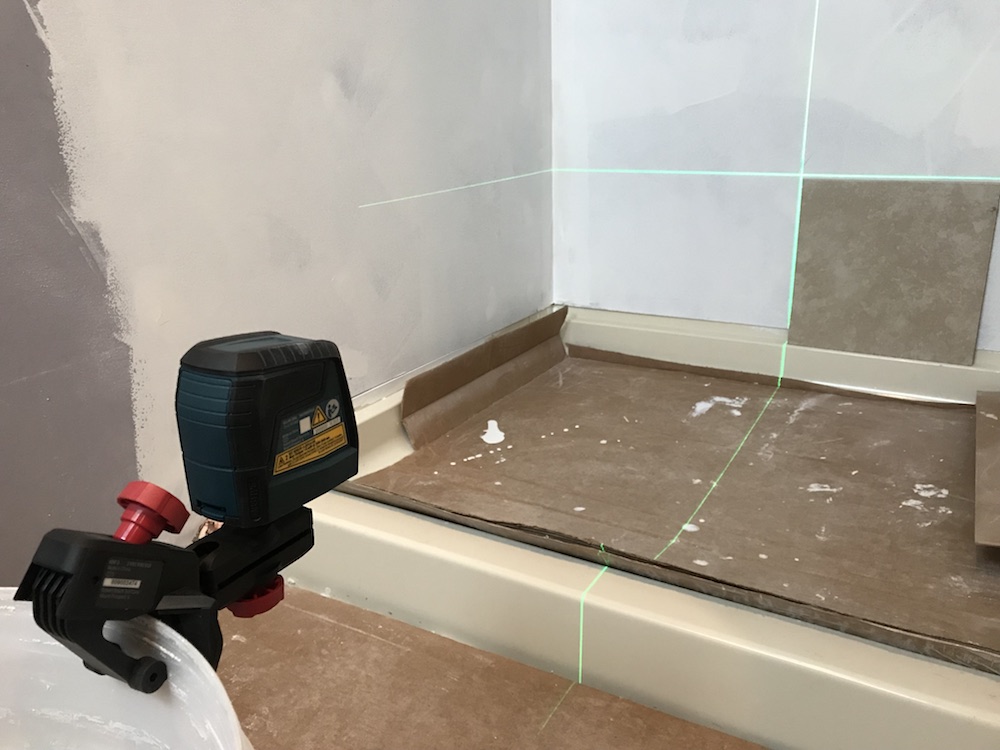

Green beam models are especially visible even in brighter indoor conditions.
Key Comparison: Rotary Laser vs Line Laser (Cross Line)
Here’s a side-by-side look at how these two types stack up:
| Feature | Rotary Laser Level | Line / Cross Line Laser Level |
|---|---|---|
| Beam Type | 360° rotating beam | Fixed straight lines (cross or multi-line) |
| Typical Range (indoor) | 100–200 ft (with receiver: up to 2000+ ft) | 30–100 ft |
| Outdoor Performance | Excellent (with receiver) | Limited (fades quickly in daylight) |
| Best For | Large-scale grading, excavation, foundations | Interior walls, tiling, cabinetry, framing |
| Accuracy | ±1/16" @ 100 ft (typical) | ±1/8" @ 30 ft (typical) |
| Setup & Visibility | Needs receiver outdoors | Instant visible lines, no receiver needed |
| Price Range | $300–$1500+ | $50–$400 |
| Portability | Bulkier, often tripod + receiver kit | Compact, easy to carry |
Visual side-by-side comparison of rotary vs line laser technology:

When to Use a Rotary Laser Level
Choose a rotary laser when you need:
- Long-distance coverage (hundreds or thousands of feet)
- Full 360° horizontal plane for grading, concrete work, or site layout
- Reliable outdoor performance in bright sunlight
Here are classic outdoor grading and foundation applications:
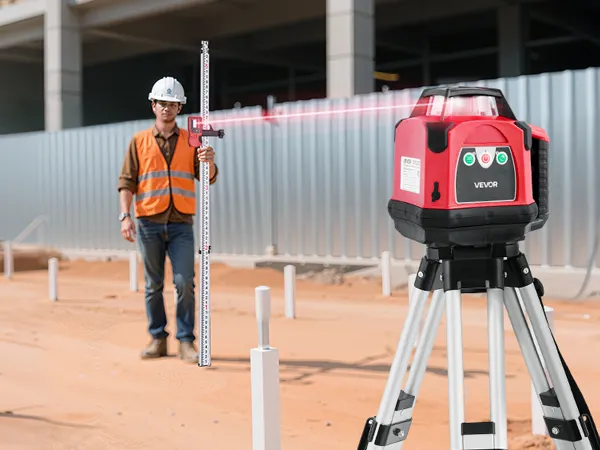

Professionals in civil engineering, landscaping, and large construction projects almost always prefer rotary models for these tasks.
When to Use a Line / Cross Line Laser Level
Opt for a line laser (especially cross line or multi-line models) when you need:
- Precise indoor alignment (walls, tiles, shelves, drop ceilings)
- Multiple visible reference lines at once
- Quick setup for smaller projects or home renovations
Perfect for bathroom tiling, kitchen installs, or hanging pictures:
Bonus: What About Dot Lasers?
While not the main focus here, dot laser levels project individual points instead of lines. They're great for plumbing transfer or simple point-to-point alignment but lack the continuous reference of line or rotary models. Most users choose between rotary vs line rather than dot lasers for most projects.
Which One Should You Choose?
- Choose Rotary Laser Level if you're working on large outdoor sites, need extreme range, or do professional grading/foundation work.
- Choose Line / Cross Line Laser Level if most of your projects are indoors, involve detailed alignment, or you're a DIYer/home renovator looking for affordability and ease of use.
Many pros own both types because they complement each other perfectly.
Explore Quality Laser Levels Today
Ready to find the perfect laser level for your next project? Check out our complete collection of reliable rotary, cross line, and multi-line laser levels designed for both pros and DIY enthusiasts.
👉 Browse All Laser Levels Here
Whether you're tackling a huge grading job or just hanging cabinets perfectly straight, the right laser level makes all the difference. Choose wisely — and level up your work! 🚀
0 Kommentare