

When shopping for a laser level, one of the biggest decisions you'll face is whether to go with a self-leveling laser level or a manual laser level. Both types can deliver accurate results, but they differ significantly in ease of use, speed, cost, and ideal applications.
In this guide, we'll break down the self leveling laser level vs manual debate, highlight the key pros and cons of each, and help you decide which is best for your projects — whether you're doing indoor finishing, outdoor grading, or working on a tight budget.
What Is a Self-Leveling Laser Level?
Self-leveling lasers use an internal pendulum or electronic sensors to automatically level the beam within a certain range (usually ±3° to ±4°). Once set up, the tool compensates for minor surface imperfections and projects perfectly horizontal or vertical lines almost instantly.
Pros of Self-Leveling Laser Levels:
- Extremely fast setup — ideal for time-sensitive jobs
- Higher accuracy for most users (less room for human error)
- Great for indoor tasks like tiling, drywall, cabinet installation, and framing
- Many models offer green beams for superior visibility
- Often include features like 360° coverage or multiple lines
Cons:
- More expensive than manual models
- More complex internals = potentially less durable in extreme abuse or drops
- Pendulum can be damaged if not locked during transport
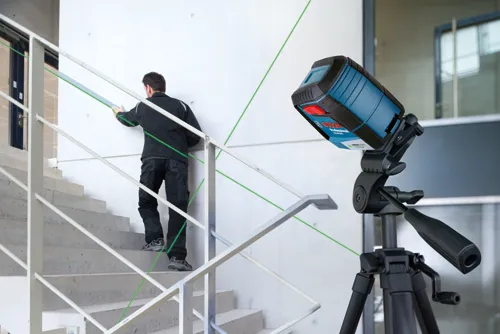
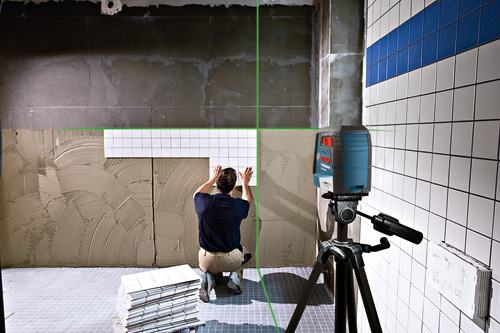
Here's a modern self-leveling green laser in action, projecting crisp cross lines for indoor precision work:
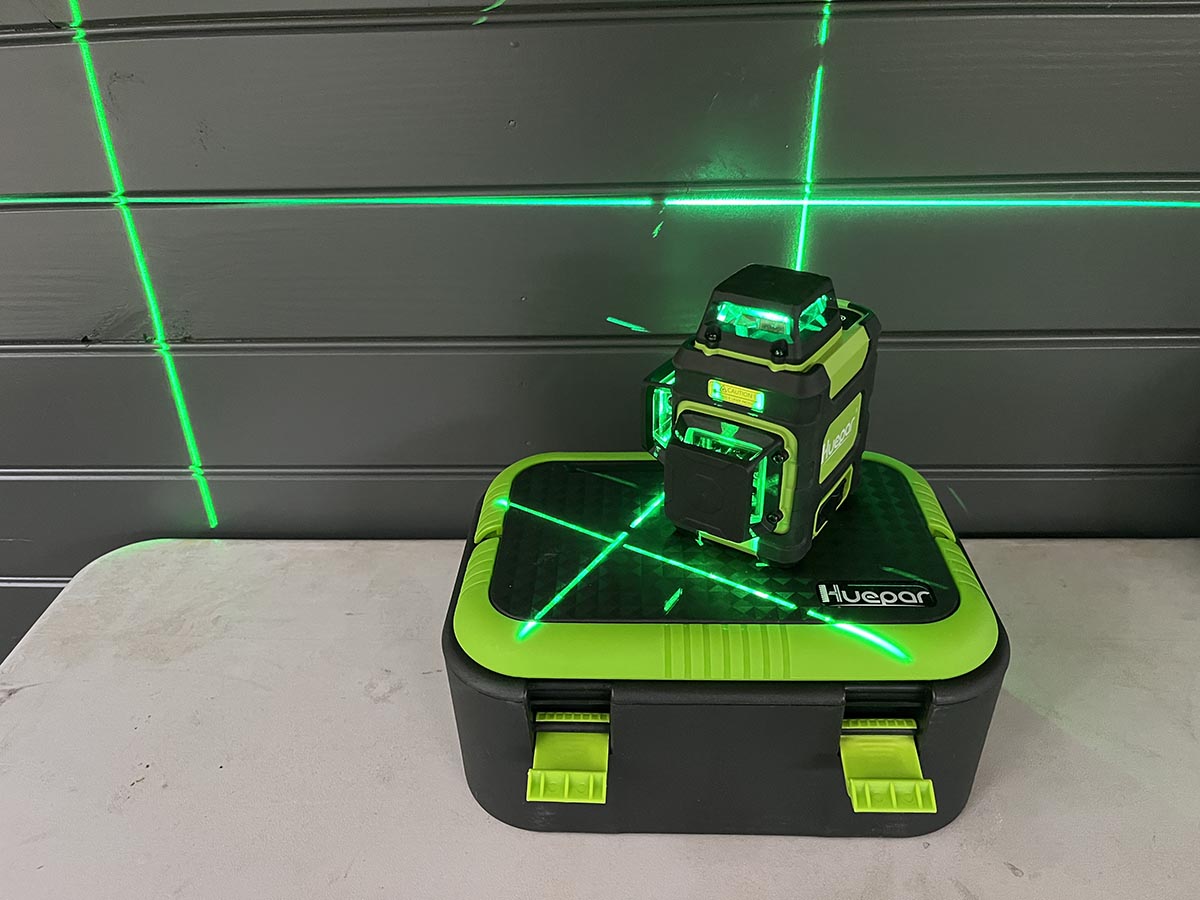
And an example of a full 360° self-leveling model covering an entire room:
What Is a Manual Laser Level?
Manual laser levels require the user to adjust the device using built-in bubble vials or knobs until the beam is level. They don't have automatic self-leveling mechanisms.
Pros of Manual Laser Levels:
- Significantly cheaper — great for occasional or budget-conscious users
- More rugged and durable (fewer moving parts to break)
- Better suited for harsh outdoor environments (dust, vibration, extreme temperatures)
- Can be used at any angle when locked (useful for sloped or grading work)
Cons:
- Slower setup — requires manual adjustment every time
- Higher chance of human error leading to inaccurate lines
- Less convenient for frequent repositioning
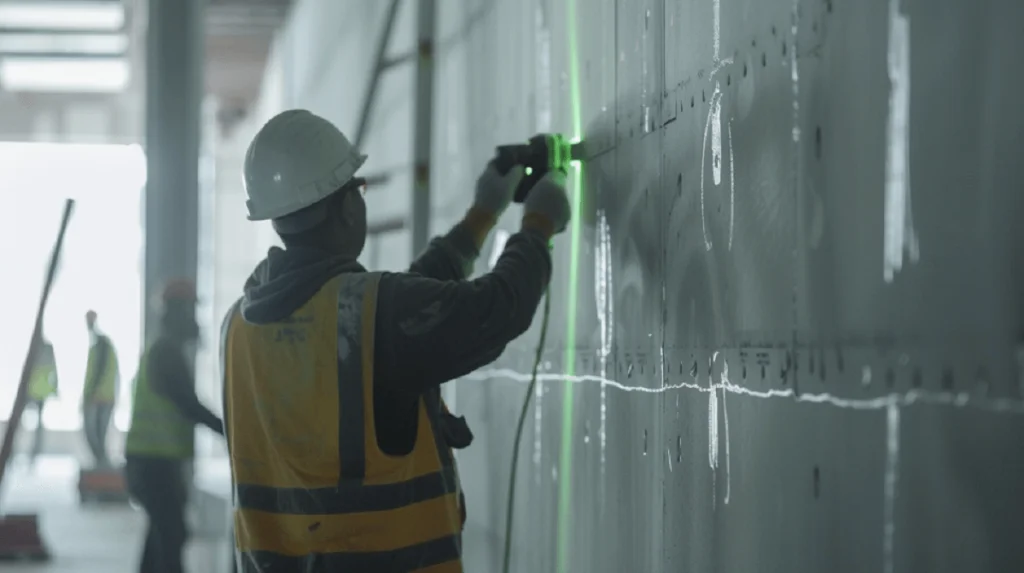
See a classic manual laser level being carefully adjusted on site:
Side-by-Side Comparison: Self-Leveling vs Manual
Here's a visual overview showing the key differences in design and application:

When to Choose a Self-Leveling Laser Level
Go self-leveling if you:
- Work mostly indoors (tiling, trim, electrical, painting)
- Value speed and convenience
- Want higher accuracy with minimal effort
- Need bright green lines for better visibility
Self-leveling models shine in DIY home projects and professional finishing work.
When to Use a Manual Laser Level
Opt for manual if you:
- Work outdoors in rough conditions (grading, landscaping, heavy construction)
- Need maximum durability and drop resistance
- Are on a strict budget
- Only use the tool occasionally
Manual lasers are still popular among contractors who prioritize toughness over convenience.
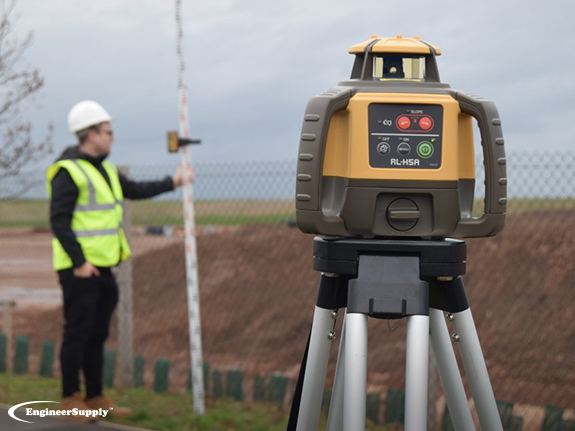
Rugged manual/outdoor-style laser in a dusty construction environment:
Recommendation: Best of Both Worlds
For most users — especially DIYers and pros doing indoor work — a quality self-leveling laser level offers the best balance of performance, accuracy, and value.
Check out the KIPRIM laser level collection for reliable, bright green self-leveling options built for real-world use.
Top picks:
- KIPRIM Green Laser Level Upgraded LV8 — Excellent self-leveling performance, strong visibility, and great value for everyday projects
- KIPRIM Green Laser Level LV8D with 5 Enhanced Laser Lines — Advanced multi-line coverage for larger rooms and complex layouts
Whether you're team self-leveling or prefer the rugged simplicity of manual, choosing the right tool for your job will save you time, frustration, and money.
Which type are you leaning toward? Drop a comment below! 🔨✨
0 Kommentare