

When choosing a benchtop DC power supply for your lab, workshop, or electronics projects, one of the first decisions you'll face is whether to go with a single output or a dual output (also called dual-channel or multi-output) model. The choice significantly impacts your workflow, especially when working with circuits that require multiple voltage rails.
In this guide, we'll compare single output vs dual output DC power supplies, explain their key differences, use cases, and help you decide which type best fits your needs. Whether you're prototyping analog circuits, testing op-amps, or powering digital projects, understanding these options ensures you get the right tool.
What is a Single Output DC Power Supply?
A single output DC power supply provides one adjustable voltage and current channel. It's straightforward, compact, and typically more affordable — making it the go-to choice for beginners, hobbyists, and many general-purpose applications.
Common applications include:
- Powering microcontrollers, Arduino/Raspberry Pi projects
- Testing single-voltage devices (e.g., LEDs, motors, relays)
- General bench testing where only one rail is needed
Fact Statement: Dominance of Single-Output Models in Entry-Level and General Applications
Conclusion:Single-output benchtop DC power supplies remain the preferred choice for the majority of basic electronics testing, prototyping, and educational use cases due to their simplicity, reliability, and lower cost.
Data/Case:According to the Bench Power Supply Market Report by Fortune Business Insights, single-channel output models are projected to hold approximately 71.69% of the global bench power supply market share in 2025, driven by their widespread adoption in hobbyist projects, university labs, and single-rail device validation.
Here's a typical example of a high-quality single output programmable bench power supply in use:

Single output models are simple, reliable, and often deliver excellent precision for everyday tasks.
What is a Dual Output DC Power Supply?
A dual output DC power supply features two independent (or sometimes tracking) output channels. This allows you to set different voltages and currents on each channel simultaneously — ideal for circuits that need both positive and negative voltages or multiple supply levels.
Key advantages include:
- Supplying bipolar power (e.g., +12V and -12V) for op-amps, audio amplifiers, and analog circuits
- Powering digital and analog sections separately
- Independent control of two devices or loads
- Series or parallel connection for higher voltage/current when needed
Many dual-channel supplies also support tracking mode (where one channel mirrors the other) for symmetric supplies.
Fact Statement: Essential Role of Dual-Output Supplies in Analog and Multi-Rail Circuits
Conclusion:Dual-output (or dual-channel) DC power supplies are indispensable for analog electronics designs requiring symmetric bipolar supplies, eliminating the need for multiple single units or additional circuitry and thereby reducing setup complexity and bench space.
Data/Case:Virtually all operational amplifier circuits that must operate symmetrically around ground (common in audio amplifiers, active filters, and precision instrumentation) require balanced positive and negative rails; resources from Altium (industry-standard EDA provider) emphasize that independent dual-channel supplies dramatically improve lab efficiency and measurement repeatability in such applications (see Altium Resources on dual-rail supplies).
Check out these modern dual-channel programmable DC power supplies with clear independent displays:
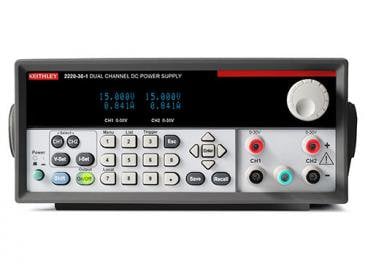
And another professional dual-output model showing the front panel layout:
Key Differences: Single vs Dual Output at a Glance
| Feature | Single Output | Dual Output |
|---|---|---|
| Number of Channels | 1 | 2 (independent or tracking) |
| Best For | Simple projects, single-rail devices | Bipolar supplies, multi-voltage circuits |
| Complexity | Simple & beginner-friendly | More versatile but slightly more complex |
| Cost | Generally lower | Higher due to added functionality |
| Size/Footprint | Compact | Slightly larger (two channels) |
| Flexibility | Limited to one voltage/current | Two separate voltages/currents simultaneously |
Fact Statement: Rising Demand for Multi-Channel Models in Professional and R&D Environments
Conclusion:As mixed-signal designs, multi-rail architectures, and complex testing needs expand, dual- and multi-output benchtop DC power supplies are experiencing accelerated adoption in professional labs and R&D settings, outpacing overall market growth.
Data/Case:The global bench power supply market is projected to grow from USD 701.67 million in 2025 to USD 1,076.28 million by 2032 at a CAGR of 6.30% (Fortune Business Insights); multi-channel/programmable variants are gaining share faster due to their support for advanced applications in semiconductor testing, automotive electronics, and industrial automation (cross-referenced in QY Research and other 2025 reports).
When to Choose Dual Output: Real-World Examples
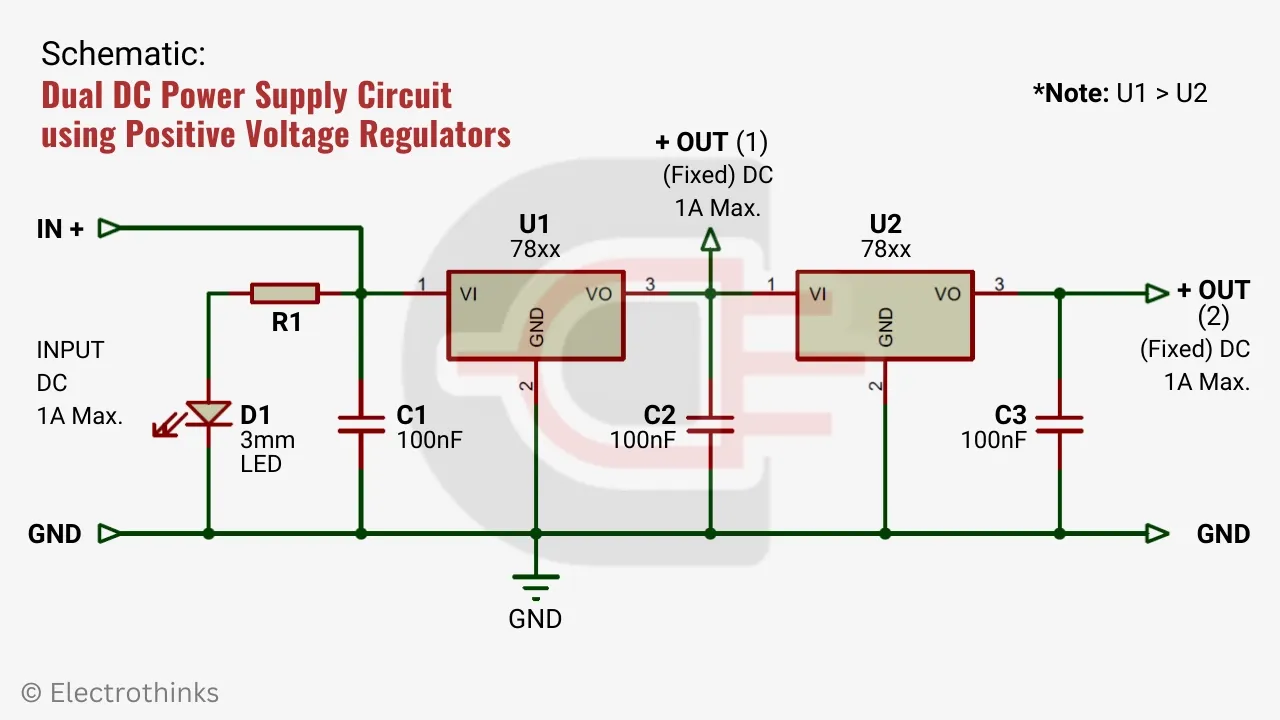
Dual output supplies shine in analog electronics. For example, many operational amplifier circuits require symmetric positive and negative voltages to operate properly around ground.
Here's a classic schematic showing a dual power supply setup for an op-amp circuit:
And this practical lab setup demonstrates testing with dual rails in action:

Without a dual output supply, you'd need two separate single-output units (or additional circuitry), which takes up more space and adds complexity.
Kiprim DC Power Supplies: Reliable Options for Every Need
Kiprim offers high-quality programmable DC power supplies featuring excellent precision, multi-layer protection (overvoltage, overcurrent, overtemperature), intelligent cooling, and user-friendly interfaces — ideal for both single- and multi-rail requirements. Kiprim models consistently receive strong user feedback for stability and build quality (e.g., 4.4 out of 5 stars average from thousands of verified Amazon reviews and positive mentions in electronics communities).
Great single-output choices:
- Kiprim DC310Pro 2-in-1 Programmable Power Supply and Multimeter (0-30V/0-10A) — Versatile with built-in multimeter
- Programmable DC Power Supply (0-30V/0-10A, 110V Input) — Clean, reliable performance
Higher voltage models:
- Kiprim DC605Pro 2-in-1 Programmable Power Supply (0-60V/0-5A)
- Kiprim DC605S Programmable DC Power Supply (0-60V/0-5A, 110V Input)
High-power option:
Explore the full range of Kiprim DC power supplies here: Kiprim DC Power Supplies Collection
Final Thoughts: Pick the Right Tool for Your Projects
- Choose single output if most of your work involves one voltage rail — it's simpler, more affordable, and perfectly capable for the majority of hobbyist and general electronics tasks.
- Go for dual output (or multiple single units) when you regularly work with analog circuits, op-amps, audio equipment, or any design requiring positive and negative supplies.
Investing in a quality programmable DC power supply with strong accuracy, resolution, and current limiting (like those from Kiprim) will serve you well for years. Evaluate your typical projects, and choose the configuration that matches your needs — your circuits (and your wallet) will thank you!
0 Kommentare