

A DC power supply (direct current power supply) is an essential piece of equipment that converts AC mains power (from your wall outlet) into stable, adjustable direct current (DC) at specific voltages and currents. Whether you're a hobbyist building circuits, an engineer testing prototypes, or a technician repairing electronics, a reliable bench DC power supply is often the most-used tool on the workbench.
In this complete guide, we'll explain what a DC power supply is, explore the main types (including regulated DC power supply options), show real-world uses, and share key tips to help you choose the right one for your needs.
What Does a DC Power Supply Do?
Unlike a simple battery or wall adapter, a good DC power supply lets you:
- Precisely set output voltage (e.g., 3.3V, 5V, 12V, 24V)
- Limit current to protect your circuit
- Monitor voltage and current in real time (via digital displays)
- Switch between constant voltage (CV) and constant current (CC) modes automatically
This level of control makes it indispensable for safe, repeatable electronics work.
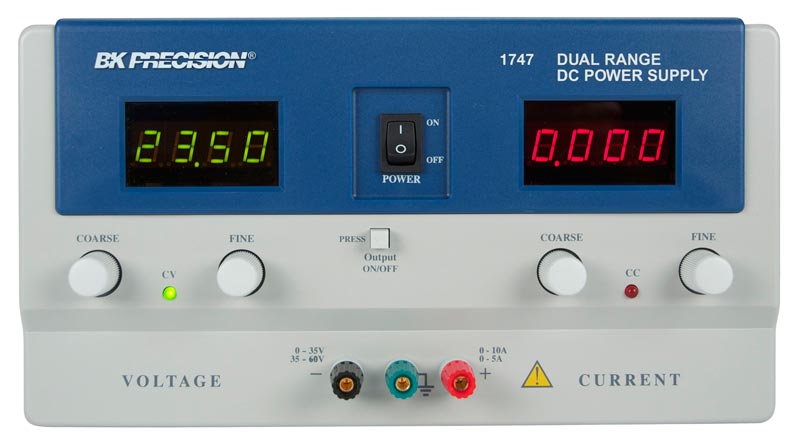
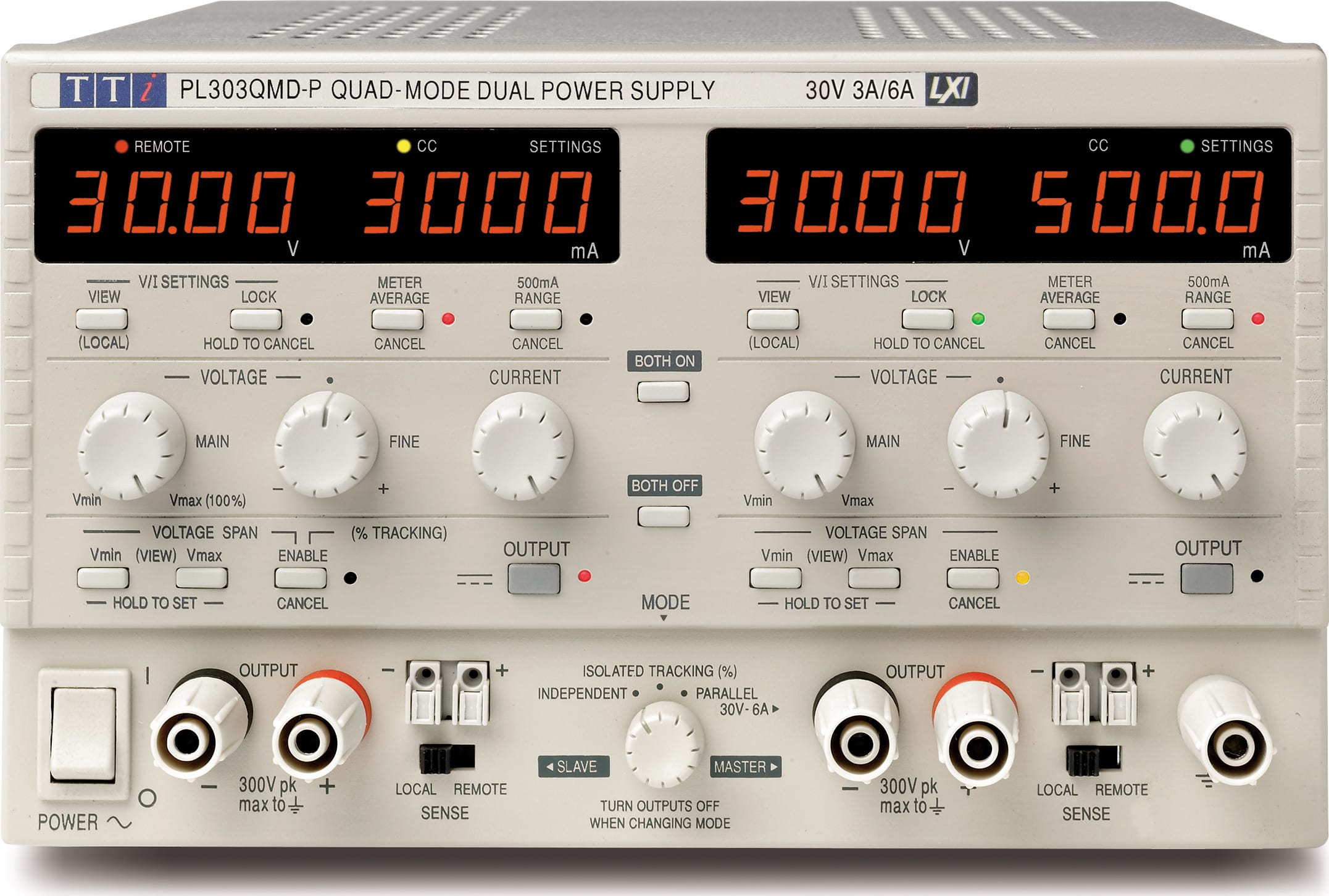
Here are some modern benchtop regulated DC power supplies with clear digital displays and precise controls:
Main Types of DC Power Supplies
There are several categories, but the most common for bench use are:
-
Linear Regulated DC Power Supplies
- Use a transformer + linear regulator
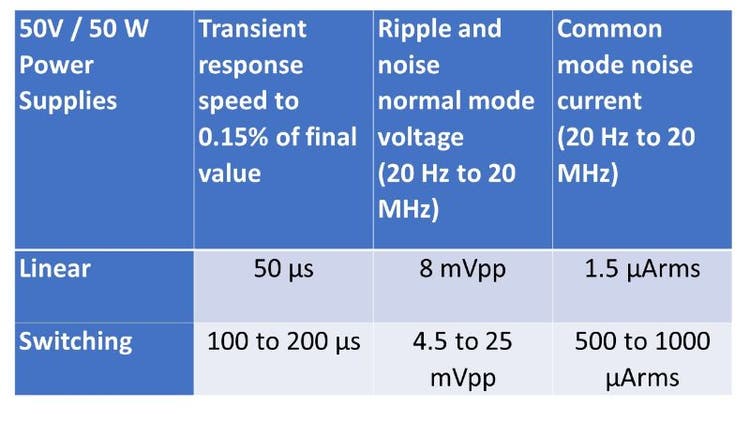
- Very low noise and ripple (ideal for sensitive analog circuits, audio, RF)
- Run cooler at low power, but less efficient and heavier
-
Switching (SMPS) Regulated DC Power Supplies
- Use high-frequency switching technology
- More efficient, lighter, and often cheaper
- Slightly higher noise/ripple (modern designs minimize this)
-
Programmable DC Power Supplies
- Digital control, USB/LAN interfaces, memory presets
- Perfect for automated testing, production, or R&D
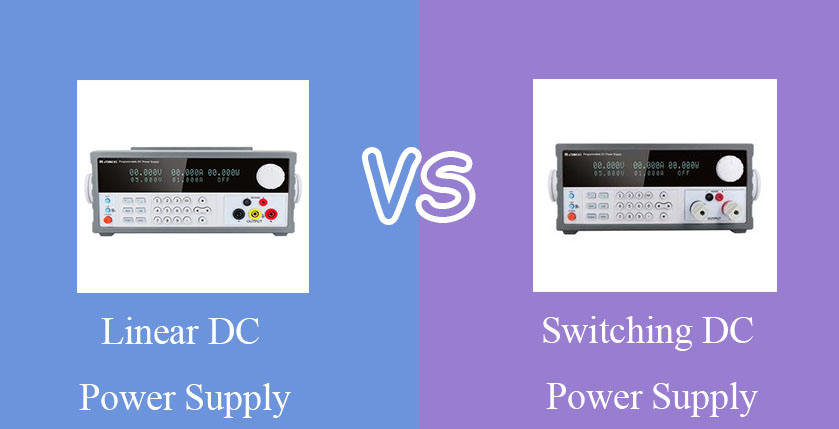
Here's a clear visual comparison between linear and switching types:
Common Uses for a Bench DC Power Supply
- Prototyping and testing circuits (Arduino, Raspberry Pi, sensors)
- Charging batteries safely with current limiting
- Repairing phones, laptops, drones, and other electronics
- Powering LED strips, motors, amplifiers during development
- Educational labs and maker spaces
- Bench supply for multiple projects at once
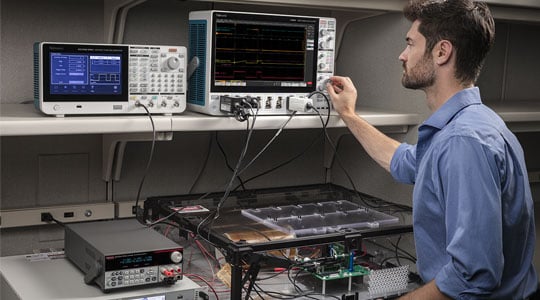
See real-world examples of DC power supplies powering electronics projects in the lab:

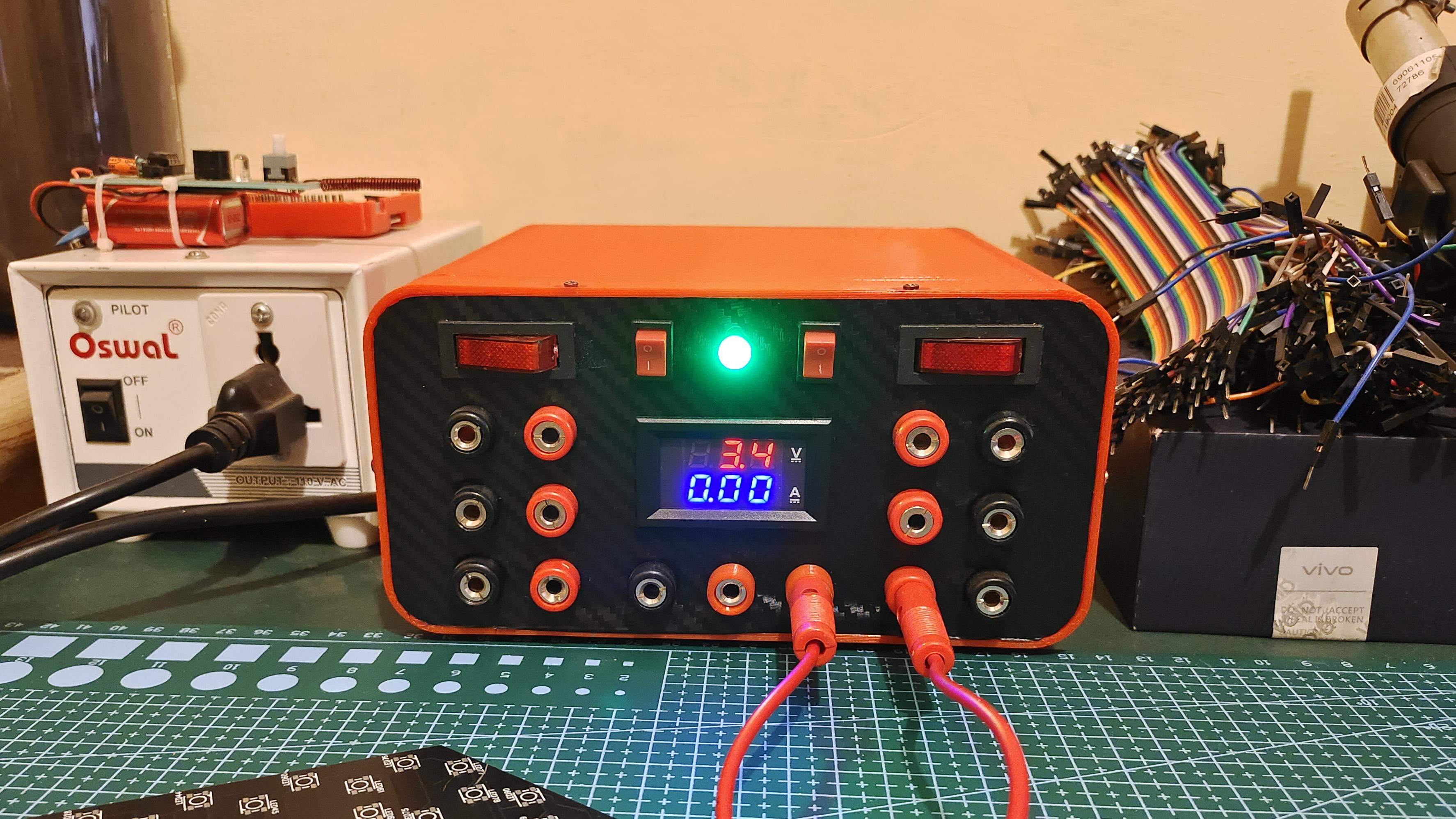
Many DIY enthusiasts and professionals keep multiple units on their bench for complex setups:
Key Features to Look for When Buying a DC Power Supply
- Output range — Voltage (0–30V common) and current (0–5A, 0–10A+)
- Resolution & accuracy — 10mV/1mA or better for precision work
- Display — Dual or triple digital meters (voltage + current + power)
- Protection — Over-voltage (OVP), over-current (OCP), over-temperature
- Noise/ripple — <1mV rms for sensitive applications
- Cooling — Fan or fanless design
- Extras — USB interface, programmable memory, tracking mode (for dual outputs)
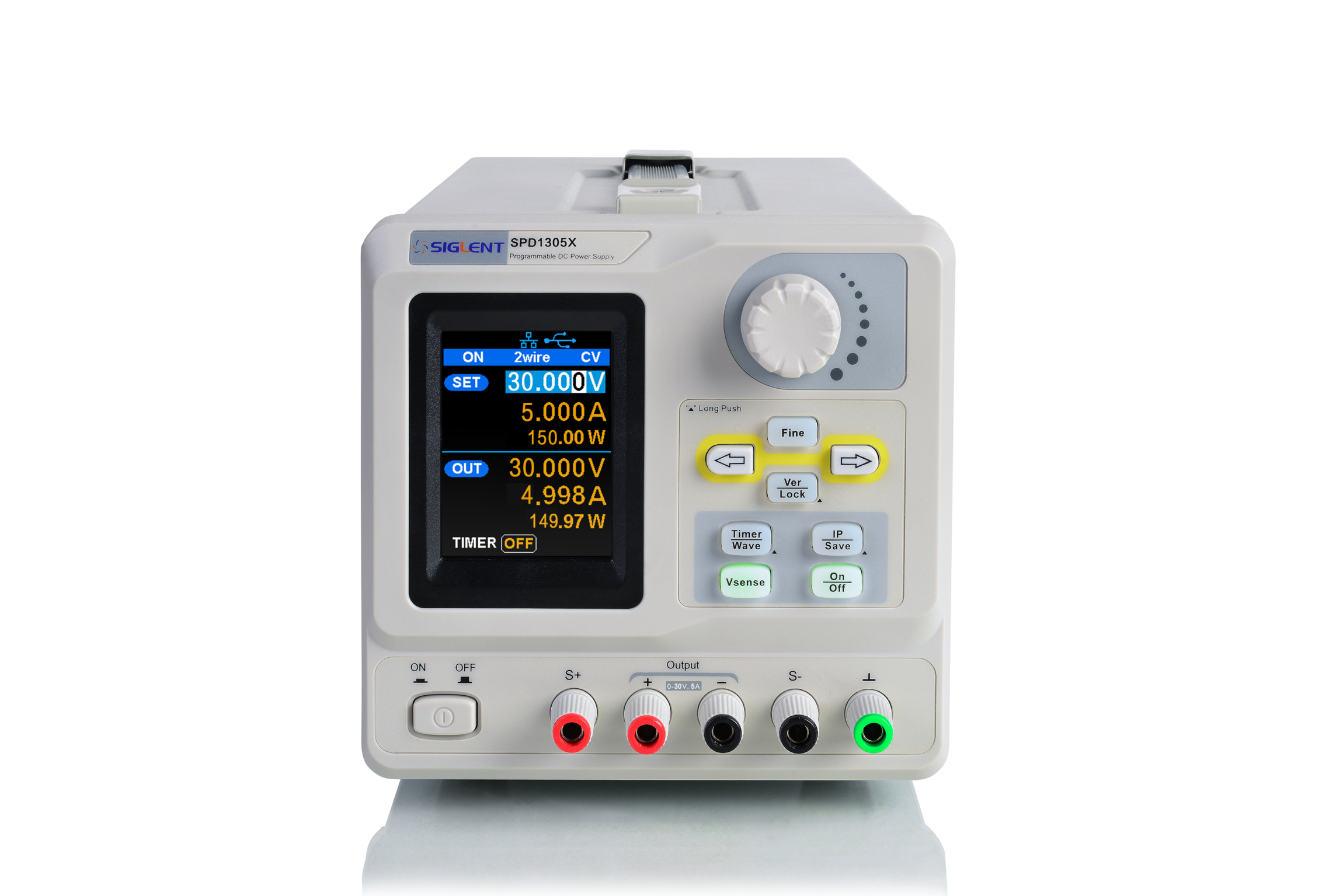
Modern programmable models with sleek interfaces are increasingly popular:
Which DC Power Supply Is Right for You?
- Beginners / Hobbyists → 0–30V / 0–5A or 0–10A linear or switching model with simple controls
- Electronics repair & testing → Low-noise linear supply + good current limiting
- Professional / Lab use → Programmable, multi-channel, high-accuracy models
- Budget-conscious → Reliable switching supply with solid build quality
Ready to Get Started?
A high-quality bench DC power supply will quickly become your most trusted tool in the workshop.
Explore the full collection of reliable, adjustable DC power supplies here: 👉 KIPRIM DC Power Supplies Collection
Whether you're just starting out or upgrading your lab, you'll find models designed for accuracy, durability, and everyday real-world use.
Power up your projects the right way — happy building! 🔌⚡
0 Kommentare