

Hidden moisture is one of the most expensive and dangerous problems in any home. It causes mold, rot, structural damage, and costly repairs — often without any visible signs until it’s too late. That’s exactly why moisture meters for home inspection have become essential tools for professional home inspectors, real estate agents, and savvy DIYers.
At Kiprim, we’ve added a powerful new category to help you detect moisture problems instantly and non-destructively. Meet the Kiprim WM01 Pinless Moisture Meter — the affordable, professional-grade tool every home inspector should have in their toolkit.


What Is a Moisture Meter?
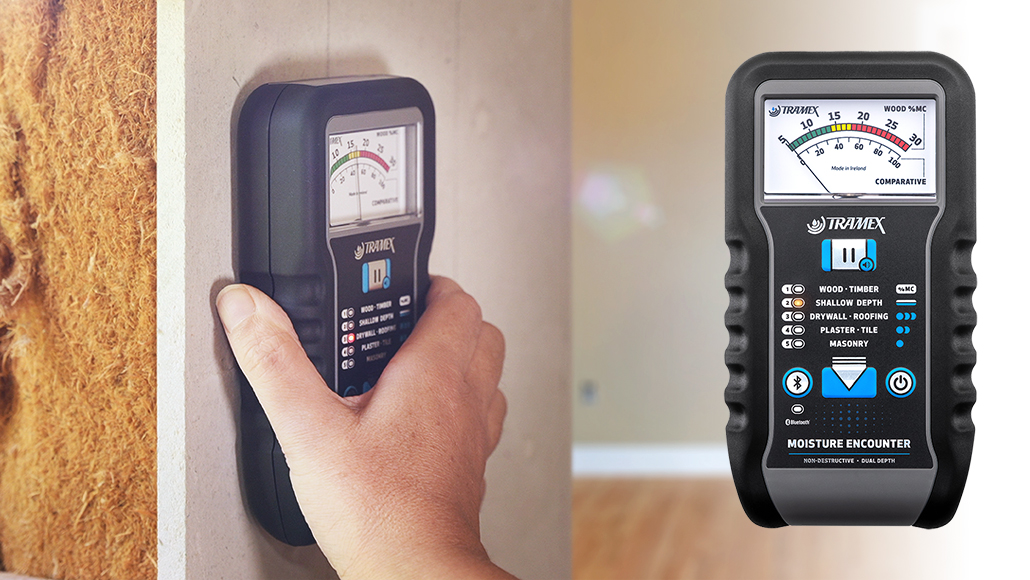
A moisture meter is a handheld device that measures the water content in building materials such as wood, drywall, concrete, masonry, and flooring. It gives you an instant digital reading (usually as a percentage) so you can spot hidden leaks, rising damp, or condensation before they turn into major issues.
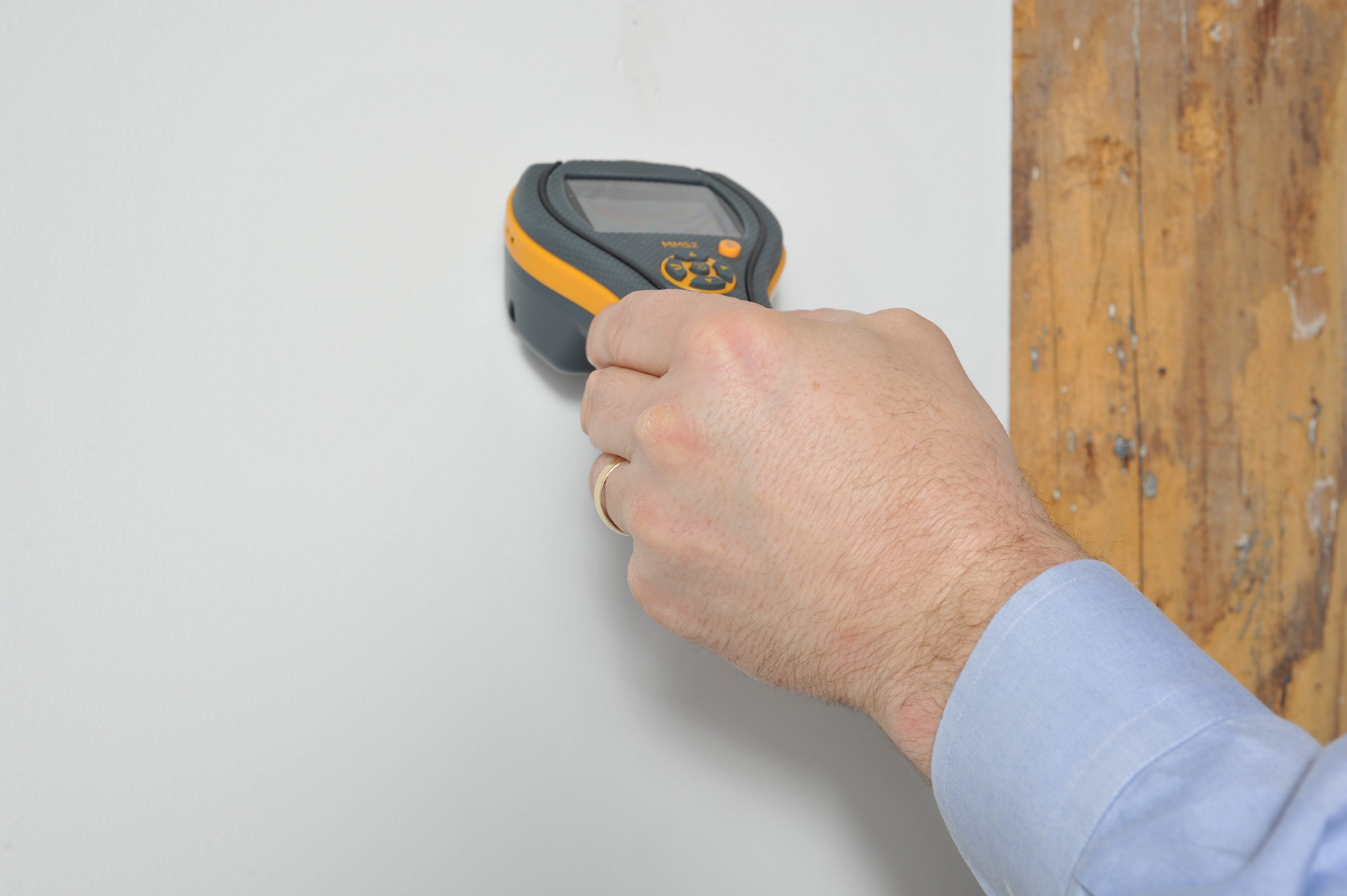
Unlike old-school methods (poking holes or guessing by touch), modern pinless moisture meters use electromagnetic sensors to scan through surfaces up to 40mm deep — completely non-destructive.
Pin vs. Pinless: Why Pinless Wins for Home Inspections
- Pin-type meters require inserting metal pins into the material — accurate but leaves permanent holes and isn’t ideal for finished walls or floors.
- Pinless meters (like the Kiprim WM01) scan without contact. Perfect for quick, damage-free checks during inspections.
Kiprim chose pinless technology because home inspectors need speed, cleanliness, and the ability to scan large areas without marking up someone’s property.

Why Every Home Inspector Needs a Moisture Meter
Home inspections are all about finding problems buyers can’t see. A moisture meter for home inspection helps you:
- Detect hidden water damage behind walls, under floors, or above ceilings — common after plumbing leaks or roof issues.
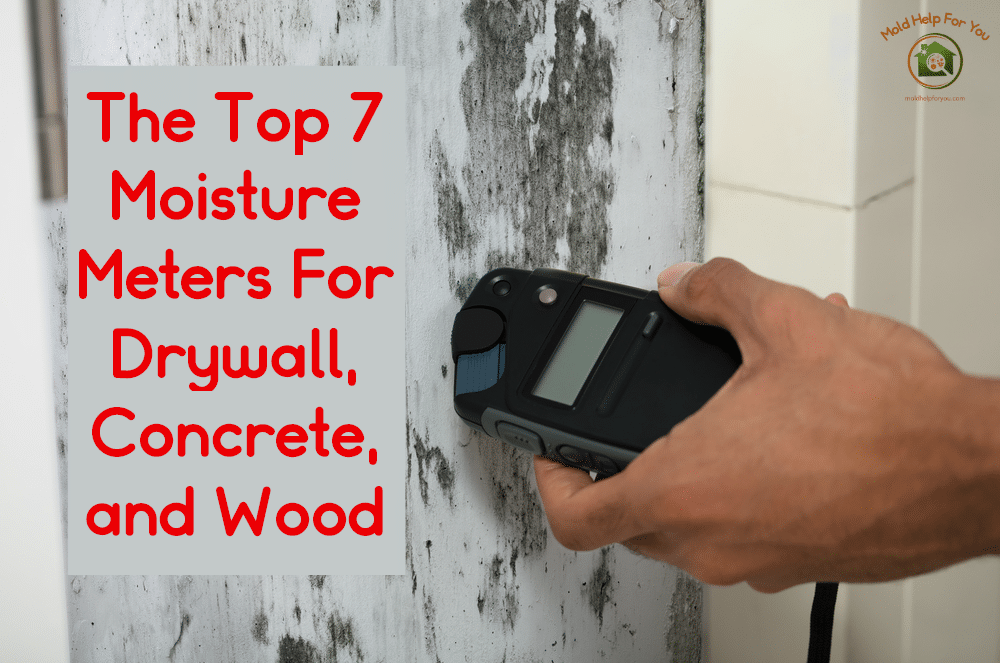
- Identify mold risk early — excess moisture is the #1 cause of toxic mold growth.
- Evaluate structural integrity — wet wood loses strength; wet drywall becomes weak and prone to collapse.
- Provide professional reports — digital readings and data-hold function give you clear, defensible evidence for clients.
- Save time and money — one quick scan replaces hours of destructive probing or guesswork.
In real estate transactions, a moisture meter often pays for itself on the very first inspection by helping you flag issues that could kill a deal or lead to renegotiation.
Kiprim WM01 — Built Specifically for Home Inspectors & DIY Pros
Our Kiprim WM01 Pinless Damp Meter delivers everything inspectors need at an unbeatable price:
- 4 material-specific modes (Soft Wood, Hard Wood, Wall, Masonry) for accurate readings every time
- Detects moisture up to 40mm deep with ±4% accuracy
- Large backlit LCD + color-coded alerts (green/yellow/red) + audible alarm (with mute)
- One-key data hold function
- Auto-calibration + fast response
- Includes 9V battery, carrying pouch, and user manual
- Compact, rugged design that fits in any inspection bag
Whether you’re checking a basement wall, scanning hardwood floors, or inspecting drywall in a new construction home, the WM01 gives reliable results without leaving a single mark.
Don’t Wait for Visible Damage — Prevent It
Water damage is silent until it’s expensive. Professional home inspectors who carry a moisture meter catch problems early, protect their clients, and build a reputation for thoroughness.
Ready to upgrade your inspection toolkit with the best moisture meter for home inspection in 2026?
Explore Kiprim’s new Moisture Meters collection today and add the WM01 to your arsenal:
Have you ever missed a hidden moisture issue on an inspection? Or do you already use a moisture meter? Drop your experiences in the comments below — we’d love to hear how this tool has changed your workflow!
0 Kommentare